

Wood file: Canada can lose occasionally and still be No. 1
Canada was snakebit in the gold medal hockey game, and sometimes, even when you dominate the other team, you come up sho...
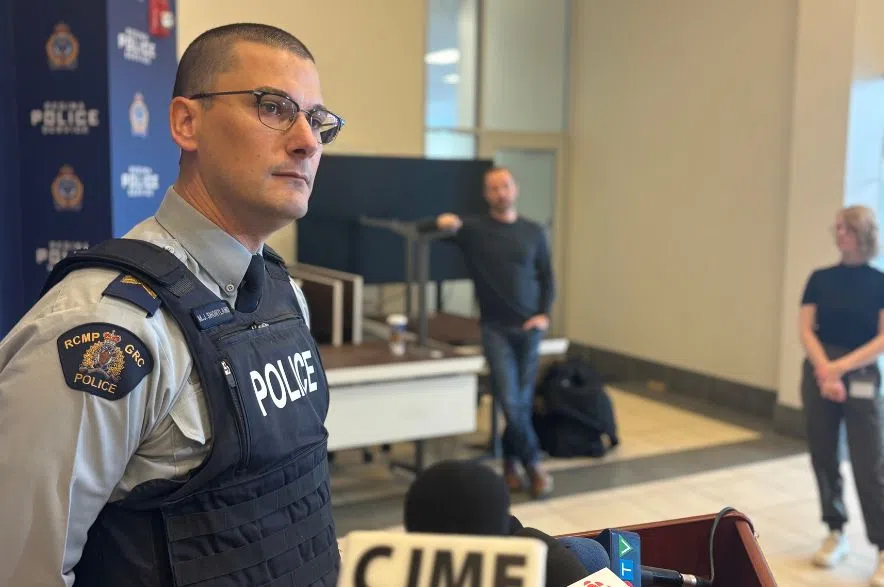
In order to help prevent more victims, police are urging people across Saskatchewan to talk openly with family members about fraud after a surge in “grandparent scams” led to two arrests and tens of thousands of dollars in losses.
Investigators say the operations are sophisticated, co-ordinated and designed to trigger panic before victims have time to think.
Read more:
Sgt. Dave Krieger with the Regina Police Service says scammers know precisely how to manipulate their targets.
“It’s always easier to see it in hindsight,” he said. “These groups have been doing it for a long time. They’re sophisticated, and they create that urgency when they call somebody.”
Staff Sgt. Michael Shortland with the RCMP echoed the warning, saying high-pressure tactics are central to the scheme.
“These scams form urgent situations and often involve emotional manipulation,” he said. “Educate yourself and speak with your loved ones about fraud awareness.”
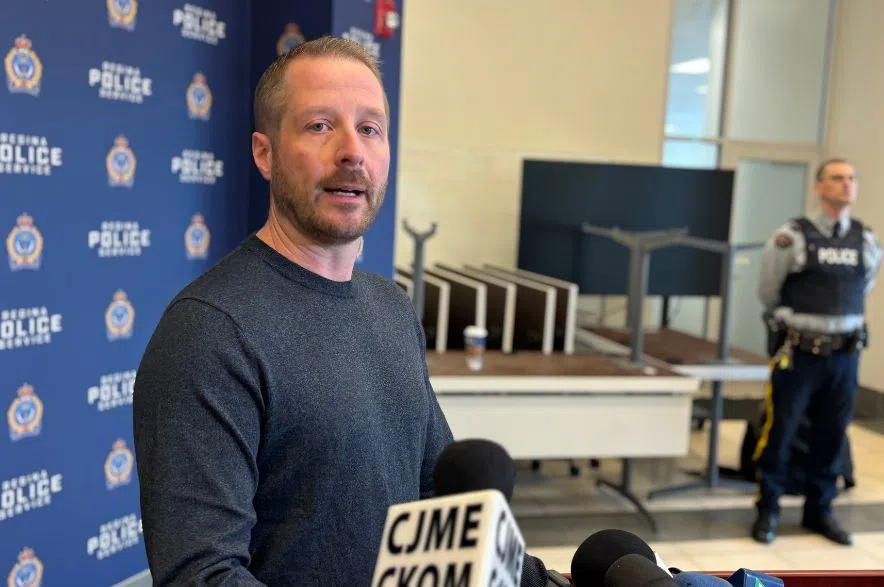
Sgt. Dave Krieger with the Regina Police Service explains how organized fraud groups are running emergency-style scams that have cost Saskatchewan victims tens of thousands of dollars. (Jacob Bamhour/980 CJME)
The most recent wave began on Dec. 2, when Regina Police Service received several reports from seniors who had been told a grandchild, niece or nephew was in trouble after a crash or traffic stop.
Victims said the caller sounded distressed, then quickly passed the phone to someone claiming to be a lawyer, police officer or judge. They were instructed not to tell anyone because of a supposed “gag order.”
Around the same time, Saskatoon Police Service and RCMP detachments were receiving similar complaints. Saskatoon investigators shared a suspect photo with Regina Police Service, which they matched to individuals believed to be collecting cash from Regina victims.
On Tuesday, police arrested 50-year-old Ciprian Teodor and 40-year-old Alexandra Condurache, both from Quebec.
The pair are jointly charged with two counts of fraud over $5,000, one count of fraud under $5,000 and two counts of attempted fraud. Teodor is also charged with failing to comply with the conditions of an undertaking.
Both made their first appearance in Regina Provincial Court on Dec. 3.
Regina’s reported losses are nearing $38,000, while the combined amounts from Saskatoon and RCMP jurisdictions are expected to push totals over $70,000.
Krieger says the real number is undoubtedly higher.
“We know that only five to 10 per cent of frauds are reported,” he said. “There’s a level of shame attached to it. People think, ‘How did I fall for that?’ But these are organized groups.”
Krieger says the scams run like professional operations.
“Organized crime groups will send people to Saskatchewan to pick this up,” he said. “The people making the phone calls are not in Saskatchewan.”
He added that the arrest will not stop future attempts: “Fraud is one of the biggest increasing crime trends. I know this will happen again.”
Shortland says the key is early reporting.
“These files cross borders and impact the public at large,” he said. “If you believe you’re a victim, contact police.”
Police encourage anyone who receives a suspicious call to hang up, verify the information with family, and alert authorities immediately.
If the caller is claiming to be law enforcement or a representative of another profession, hang up and call that authority directly to verify the information.
If people receive a suspicious phone call, ask important questions to verify the caller’s identity but don’t offer additional details.
People can also hang up and call the family member directly to verify their location and well-being and talk to other relatives.
Saskatoon Police Service said fraudsters leverage urgency and panic to coerce the victim into complying with their requests and demands.
Anyone who’s been a victim of a scam should report it to police. Any suspect scams can be reported to the Canadian Anti-Fraud Centre.”