

The province has a new health plan. But you know the old saying about the best laid plans o' mice and men ...
In today's Wood File, Murray appreciates everyone has good intentions regarding health care, but notes it's been a long ...
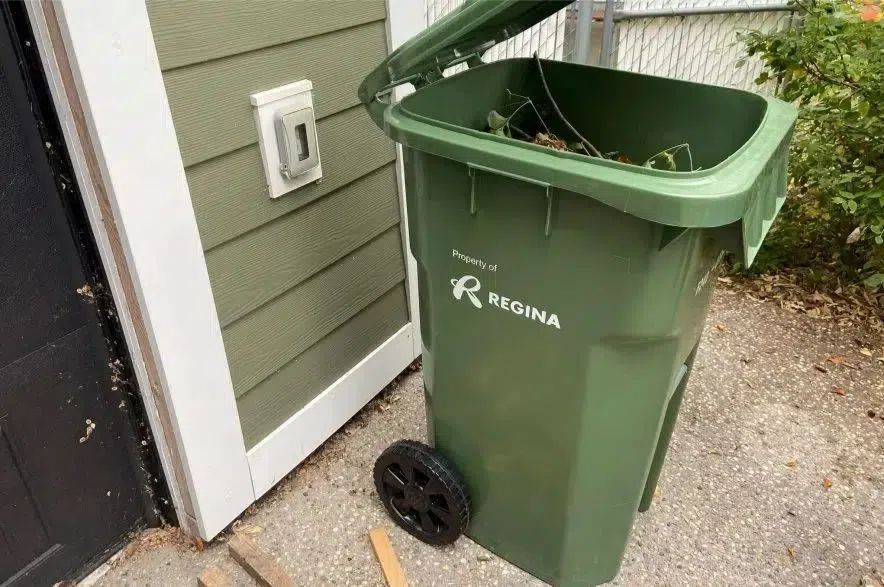
The City of Regina will have a new food and yard waste processing facility by next fall.
The city has signed an agreement with a Awasis Organic Ltd. to build the new food and yard waste processing facility. Awasis Organic Ltd. is an Indigenous-owned business, with Cowessess Ventures Ltd. as the majority owner.
Read more:
The facility will be located on Cowessess First Nation land about three kilometers east of Regina, along Highway 33.
“This agreement reflects the City’s dedication to finding innovative and sustainable solutions for residential food and yard waste while honouring Indigenous stewardship,” Kurtis Doney, Regina’s deputy city manager of city operations, said in a statement.
“After months of careful collaboration and planning, we’re pleased to move forward with a solution that meets the needs of the community and supports a more sustainable future.”
“The new facility will convert food and yard waste into biochar, a beneficial substance that can be added to soil to improve moisture and nutrient retention,” the city explained in a statement.
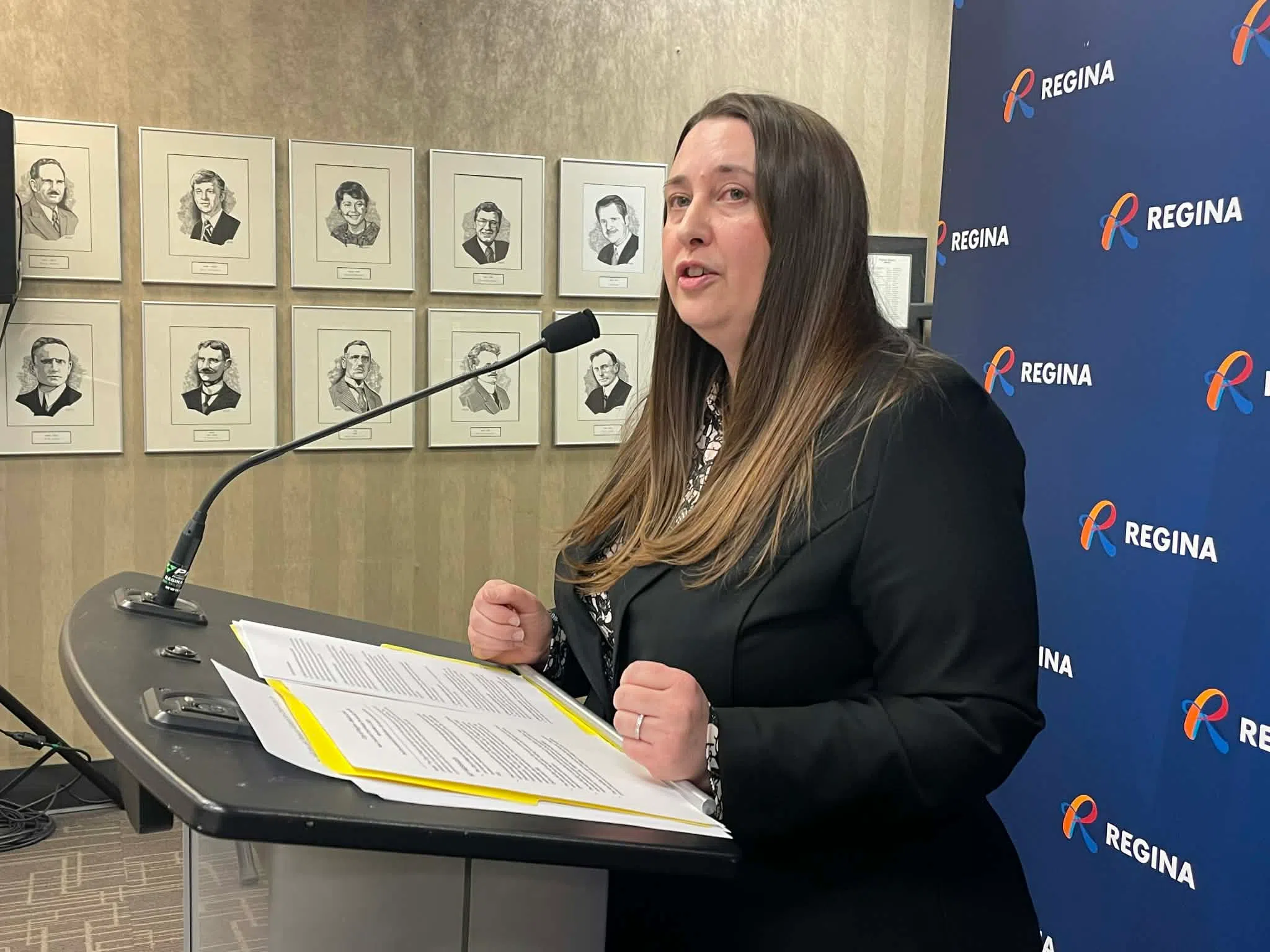
Carolyn Kalim, Regina’s director of water, waste and environment, said the facility should open in Fall 2026. (Gillian Massie/980 CJME)
The city has been searching for years to find a spot to put the facility. In December of 2023, the RM of Edenwold denied an application to build the food and waste facility in an area near Pilot Butte.
In January, the City of Regina ended its deal with EverGen to build a permanent facility.
“The process to be able to build on this land is quite different from what we dealt with before,” said Carolyn Kalim, Regina’s director of water, waste and environment. “I know that Cowessess has done through Awasis all of the work they need to do with the federal government to achieve the land leases that they need.”
The facility will be built and paid for Awasis and the city will pay fees per ton of waste that’s shipped to the building.
The city signed a contract for eight years, which could be extended to 10 years.
Rebecca Acikahte, the business and development manager for Cowessess Ventures, said the facility would located near Cowessess & Grocery.
Acikahte said there isn’t many people that live nearby where the facility will be put.
“There will be no smell, no emissions,” she said. “It’ll immediately go into the hoppers, so it won’t be sitting there getting stagnant or anything like that.”
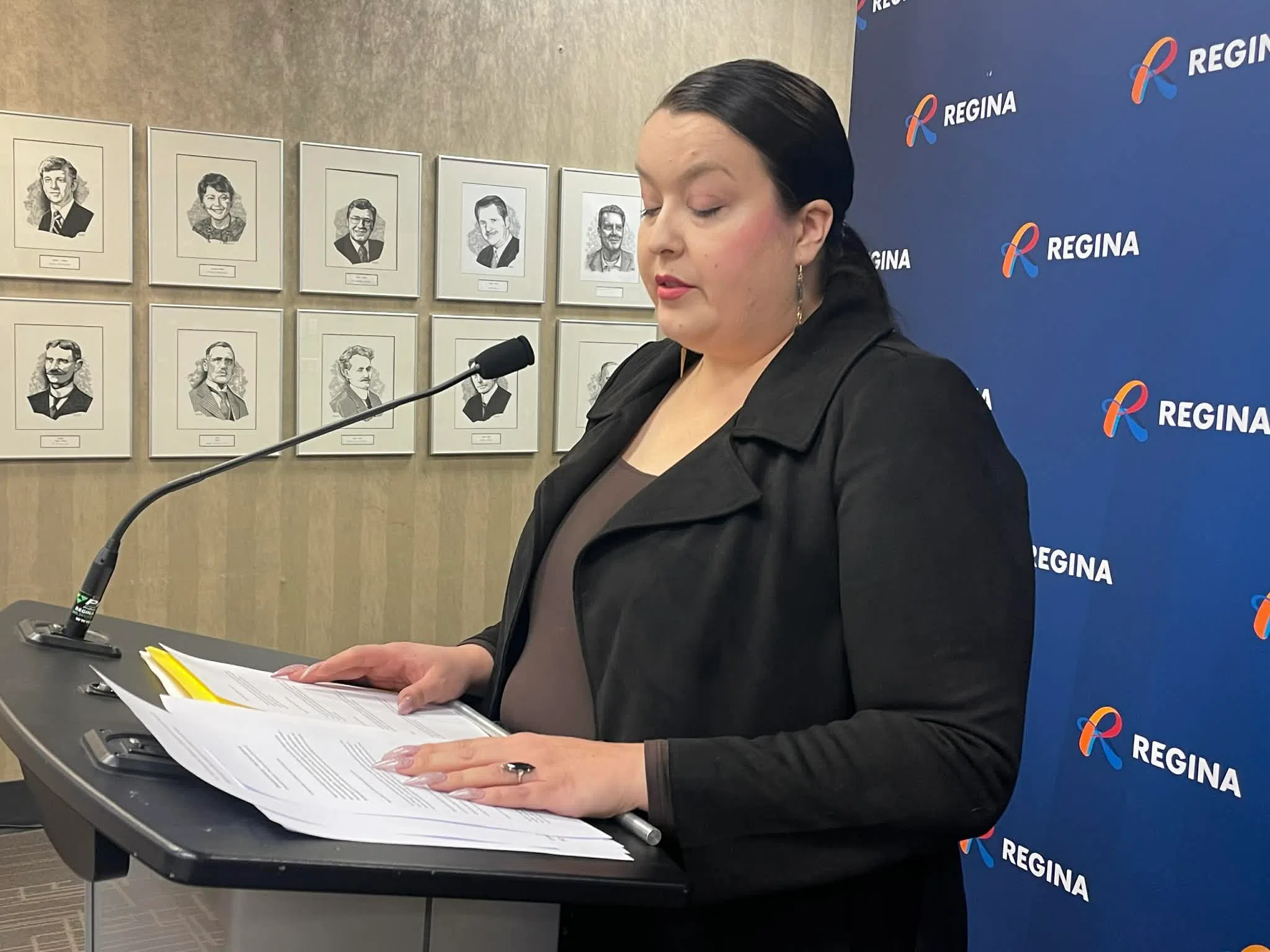
Rebecca Acikahte, the business and development manager for Cowessess Ventures, said the location made the most sense. (Gillian Massie/980 CJME)
The city said it has a goal to divert 65 per cent of the food and yard waste away from the landfill, “helping to extend its lifespan and thereby defer large capital investments to construct a new landfill.”
The city said it hopes the facility will help lower greenhouse gas emissions and to support Regina’s “broader environmental commitment to achieve net-zero emissions and become 100 per cent renewable by 2050.”
“This is Indigenous-led circular economy in action. Through a strong partnership between Awasis and the City of Regina, we are building the next generation of green infrastructure,” said Tim Dufour, Awasis’ president and CEO.
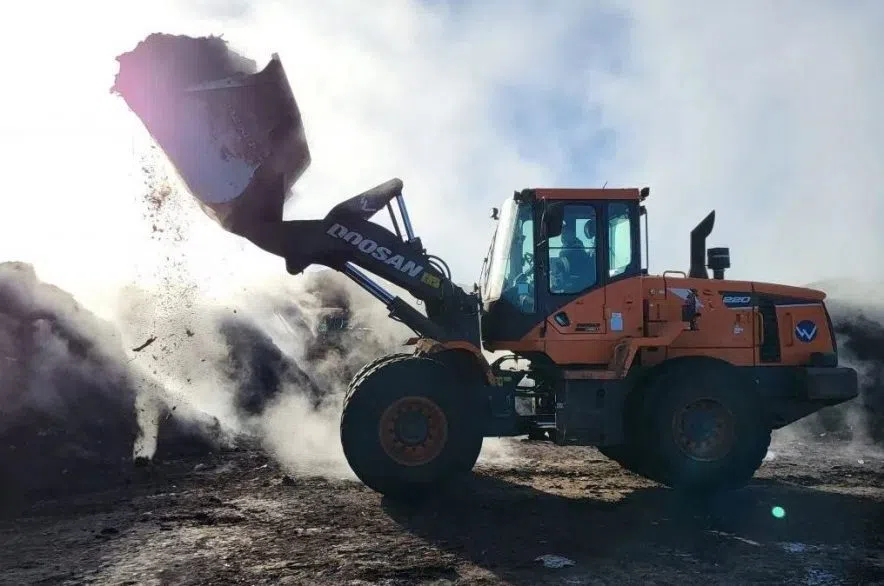
A tractor at Regina’s temporary composting site. (Daniel Reech/980 CJME)
“The new Awasis food and yard waste facility will be a totally enclosed, self-contained, high-tech solution that proves sustainability and innovation go hand-in-hand.”
“This contract represents a significant step towards economic reconciliation and a strong partnership with First Nations, which aligns with the Treaty Principles outlined in kâ-nâsihcikêwin (the City of Regina’s Indigenous Framework),” the city noted.
The city launched its green cart program in September of 2023. Currently, the city is processing that material at a small, temporary compost site located at the landfill.
The city reminded residents to keep using their green carts for food and yard waste material. All kitchen food scraps are accepted, including meat, bones and dairy, as well as used paper towels, tissues, greasy cardboard and yard waste.
More information about proper waste sorting can be found on the city’s website.
— with files from 980 CJME’s Gillian Massie