


Murray Wood: Carney's Liberal majority will come because of floor crossers, not votes
Thanks to floor crossings, the Liberals only need to hold safe seats in Monday's byelections to get to majority status. ...
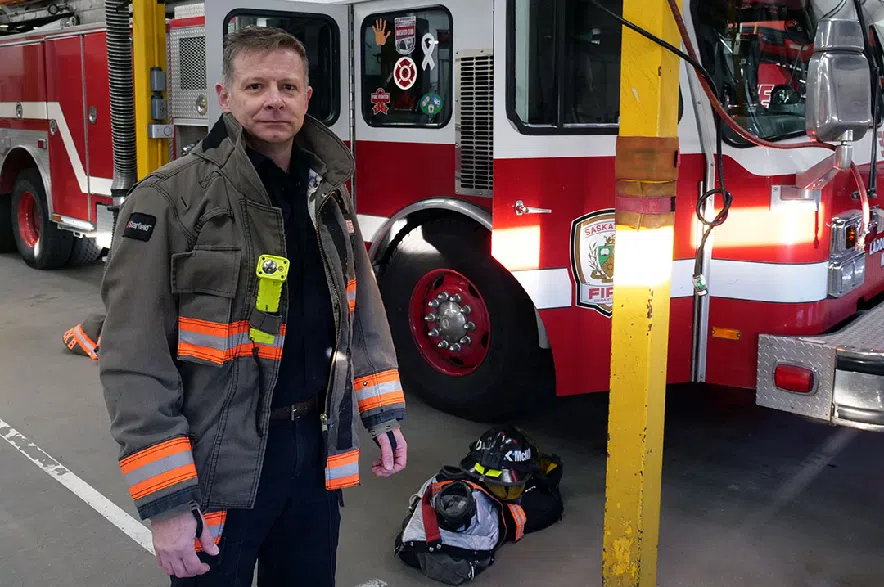
Researchers at the University of Saskatchewan are partnering with the City of Saskatoon on a project designed to evaluate the mental health of the city’s firefighters.
The joint project will also evaluate the support systems and strategies in place to assist firefighters who may be struggling with mental health challenges, with the goal of determining what is working well and what gaps need to be filled.
Read more:
“The results will inform future approaches meant to enhance the resilience of firefighters and their families,” Dr. Camelia Adams, a professor in the university’s department of psychiatry, said in a statement.
“We want to see what’s happening currently? What is helping and what is missing? How do fire fighters cope? What increases their resilience? How much do they access their supports? If the current supports are not enough, what do we need to do to improve them? Understanding the present will inform the future.”
Adams said firefighters and other emergency responders are at a high risk for “trauma-related disorders,” and sometimes struggle to seek help. While peer support groups and stress-management protocols are already in place, Adams said it’s hard to know how well they are working without a proper evaluation.
Joel McNair, who has been a firefighter in Saskatoon for more than 22 years and is now studying psychology at the university, is one of the leads on the joint research project. He said he hopes the collaborative effort will ensure firefighters receive the best help possible.
“We can use these statistics to advocate for change, to advocate for better systems,” McNair said in a statement.
“We can go not just to our management, but city council, provincial and federal bodies that have access to these problems and say ‘this is why we’re asking for help.’”
Adams, who is meeting with firefighters and conducting focus groups to gather data for the project, said the meetings have been going well so far.
“It was truly remarkable to witness the openness of the fire department,” Adams said.
“Our meetings were exceptionally productive, with members who were honest, engaged, and eager to collaborate with us as researchers. They wanted to better understand their experiences and stressors, learn more effective coping strategies, and spare no effort in enhancing the supports available for everyone’s benefit.”
EDITOR’S NOTE: Joel McNair’s name was incorrectly spelled in an earlier version of this story. We regret the error.