

Murray Wood: Who's hot... and who's not
Every Friday, Murray Wood takes a look back at the week's news and decides who's hot... and who's not. This week's list ...
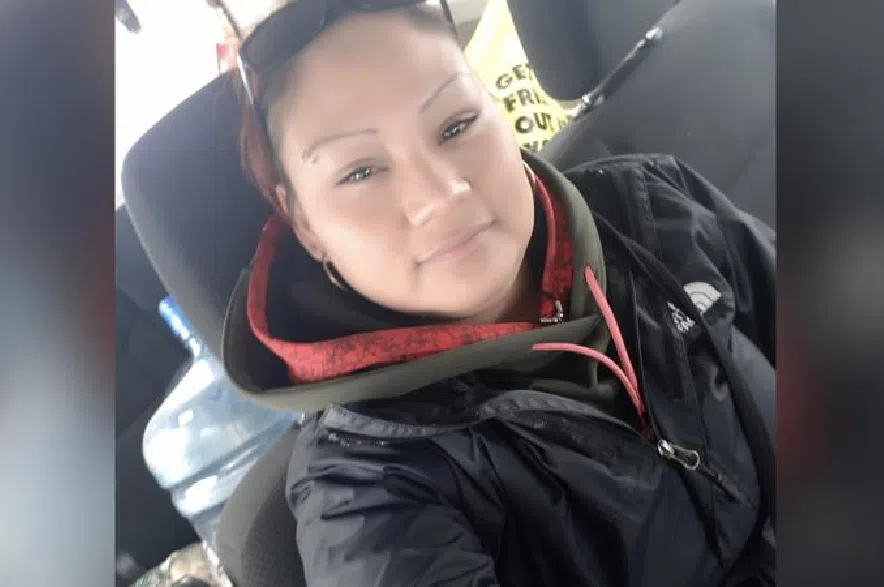
The Supreme Court of Canada has refused to hear an appeal from Soaring Eagle Whitstone, cementing her conviction and life sentence for the first-degree murder of Tiki Laverdiere.
On Thursday, the court dismissed Whitstone’s application for leave to appeal a Saskatchewan Court of Appeal ruling that previously upheld her conviction.
Read more:
The Supreme Court granted motions allowing both sides additional time to file materials, but declined to consider the case further, exhausting Whitstone’s appeal options within Canada.
In 2022, Whitstone was convicted of first-degree murder, improperly interfering with human remains and theft of a vehicle in relation to the 2019 killing of Laverdiere, a 25-year-old mother of two from Edmonton.
She was sentenced to life in prison with no eligibility for parole for 25 years on the murder charge. Sentences for the other offences were ordered to be served concurrently. Whitstone has been in custody since Aug. 6, 2019, and received no enhanced credit for time served. She was also handed a lifetime weapons prohibition and ordered to provide a DNA sample.
The Saskatchewan Court of Appeal previously rejected Whitstone’s arguments that the trial judge erred in assessing witness credibility and in finding she intended to cause Laverdiere’s death.
The appeal court found Whitstone was the “directing and controlling mind” in the killing, citing her leadership, threats and active participation. That ruling now stands.
Laverdiere was reported missing on May 12, 2019 after last being seen in North Battleford on May 1. Her burned and bludgeoned body was discovered wrapped in carpet and hidden under rocks in a pond outside the city on July 11, 2019, and was formally identified days later.
Court records show the killing followed the unsolved death of Tristen Cook-Buckle weeks earlier in or around Edmonton. Laverdiere had travelled to the Thunderchild First Nation with Cook-Buckle’s mother, Nicole Cook, for his funeral, where suspicions arose about what Laverdiere may have known about his death.
Cook is one of 10 co-accused in the case. She pleaded guilty to manslaughter and received a life sentence with no parole eligibility for 10 years.
According to court documents, Whitstone — identified as the leader of the a local street gang — believed Laverdiere was involved in Cook-Buckle’s killing.
Whitstone considered Cook-Buckle one of her grandchildren and told his mother that Laverdiere was responsible and had “messed with the wrong family,” the documents saod.
Over the course of a single night following the funeral, Laverdiere was beaten, confined and taken between multiple homes in North Battleford, where she was tortured and set on fire while still alive.
Witnesses told the court music was turned up to drown out her screams. A flammable substance was poured onto Laverdiere’s head and set ablaze.
“My son burned,” Cook told Laverdiere, according to the documents. “Now you can burn.”
Whitstone directed others throughout the ordeal and ultimately ordered the killing. Laverdiere’s throat was cut, and her body was later transported in a stolen truck to the pond where it was hidden, according to court records.
The remaining co-accused have also been sentenced, including Nikita Cook, Charles St. Savard, Brent Checkosis and Mavis Takakenew, with convictions ranging from first-degree murder to kidnapping and acting as an accessory after the fact.
At Whitstone’s sentencing, Court of King’s Bench Justice Brian Scherman found the killing was deliberate and planned, meeting the legal threshold for first-degree murder.
Following the verdict, Laverdiere’s uncle Doug Laverdiere said the sentence was “not enough,” describing his niece as “sweet” and “innocent.”
The case was subject to a publication ban for years while proceedings against multiple accused were ongoing. Documents were released only after the final case concluded.
The Saskatchewan RCMP described the killing as a crime of vengeance driven by suspicion, drug use and gang dynamics. Investigators said Laverdiere did not possess any significant information about Cook-Buckle’s death, which remains unsolved.
–with files from The Canadian Press