

Wood file: Canada can lose occasionally and still be No. 1
Canada was snakebit in the gold medal hockey game, and sometimes, even when you dominate the other team, you come up sho...
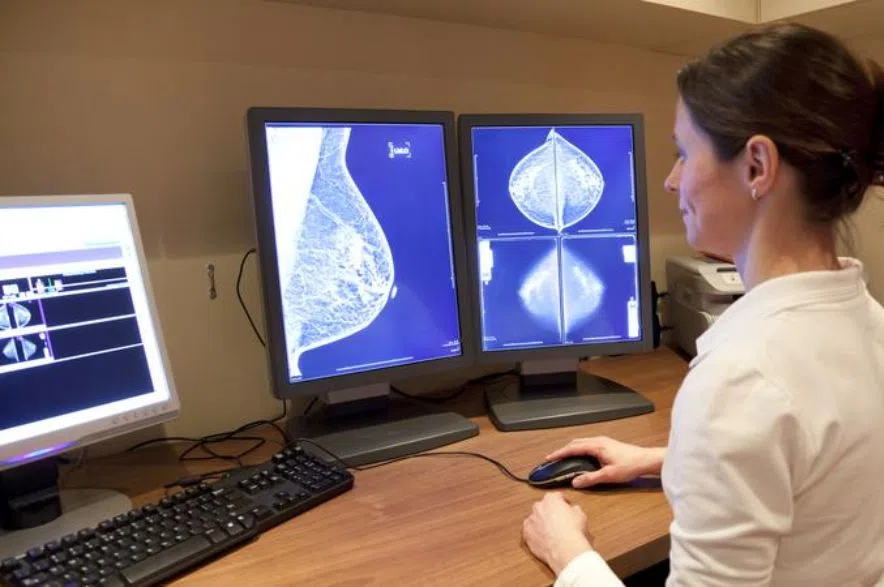
More Saskatchewan women will be able to receive an earlier diagnosis, now that the province has changed the eligibility for screening mammograms.
As of Jan. 1, women aged 43 and older in the province can access early detection breast screening services. The initiative is part of a broader plan to support early detection of breast cancer by gradually lowering the screening age to 40 within the next six months.
Read more:
In a press release, Health Minister Jeremy Cockrill said, “Our government is putting patients first by supporting these investments, ensuring women get the care they need closer to home.”
Currently, about 75 per cent of breast cancers diagnosed in the province are detected in the early stages.
“Expanding breast screening eligibility to include women 43 years and older will empower even more women to make proactive, informed decisions about the best ways to protect their health,” said Bryan Witt, vice president of provincial clinical and support services, Saskatchewan Health Authority. “The best protection is early detection.”
A screening mammogram is a low-dose X-ray of breast tissue. Women can book an appointment without a referral from a health-care provider, as long as they are of the appropriate age at the time of booking and meet the following eligibility criteria:
Most women are encouraged to undergo a screening mammogram every two years. Screening mammograms are routine examinations intended for women with no breast symptoms, while diagnostic mammograms are meant for those experiencing symptoms.
There are eight designated screening locations throughout the province. There is also a mobile mammography unit that services rural and remote areas.
Read more: