

Wood file: Canada can lose occasionally and still be No. 1
Canada was snakebit in the gold medal hockey game, and sometimes, even when you dominate the other team, you come up sho...
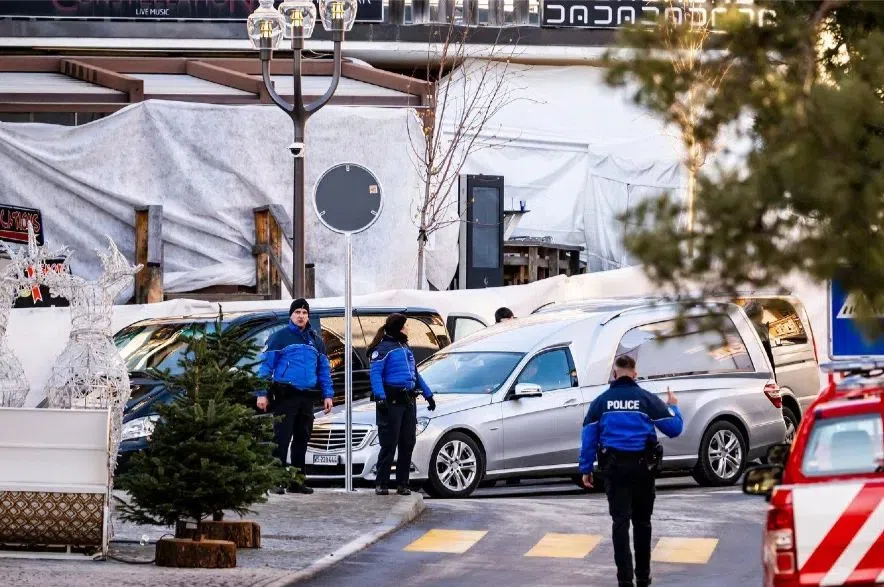
A deadly New Year’s Eve nightclub fire in Switzerland is raising safety questions closer to home, but Saskatchewan’s fire marshal said a similar tragedy is unlikely to occur in the province.
Fire Marshal Wayne Rodger with the Saskatchewan Public Safety Association (SPSA) said Canadian building and fire codes are designed to prevent the type of rapid fire spread seen in the overseas disaster — particularly in crowded entertainment venues.
Read more:
“If that building were constructed here today, there would be strict limits on what could be placed on ceilings and walls,” Rodger said. “Those requirements are specifically meant to slow fire growth and spread.”
The fire broke out during New Year’s celebrations at a packed nightclub in Switzerland, killing 40 people. Investigators there have focused on ceiling materials they believe accelerated the blaze once it was ignited.
Rodger said materials like the foam, visible in videos, from the fire would not be permitted in Saskatchewan nightclubs.
“There are flame-spread ratings on materials used in Canadian venues,” he said. “That’s to prevent fires from moving as quickly as what we saw in that incident.”
Rodger explained that fire safety monitoring in Saskatchewan is shared between the province and municipalities. SPSA administers the fire code, while local fire departments enforce it, based on risk assessments.
“You would normally inspect a nightclub or bar more often than a lower-risk building,” he said.
Rodger cautioned that even with strong codes, conditions inside a venue could change between inspections.
“As a fire inspector, you can be in a building one day and note your findings, and the next day something can change,” he said. “That’s why awareness and ongoing monitoring matter.”
Authorities later confirmed that the nightclub venue had not undergone a fire safety inspection in more than five years.
Rodger said the gap in surveillance is a significant concern and highlights a key difference between the Swiss case and Saskatchewan’s fire safety practices.
“Higher-risk buildings like nightclubs are typically inspected more frequently than lower-risk occupancies,” he said. “That’s because of crowd size, alcohol consumption, and the potential for conditions to change inside the building.”
While Rodger said the overall risk was lower in Saskatchewan, he stressed the public still had a role to play in fire safety.
“If something doesn’t look right, people should contact their local fire service,” he said. “That can lead to follow-up inspections and corrective action.”
Rodger said modern building standards, risk-based inspections, and public awareness all worked together to reduce the likelihood of mass-casualty fires in Saskatchewan.
– With files from The Canadian Press