

Why does Asian Carp make Trump think of Mark Carney?
Murray Wood ponders the question raised after Donald Trump insulted the Prime Minister in the middle of a random social ...
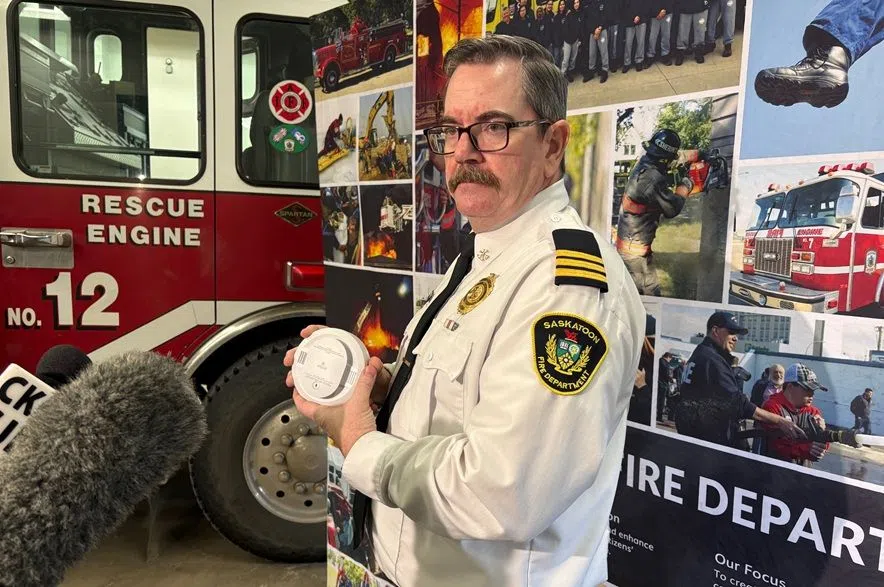
As cold warnings continue throughout Saskatoon on Friday, the fire department is reminding individuals the weather elevates the risk of house fires and carbon monoxide exposure.
Fire marshal Ryan Bradley stressed the importance of prevention and planning in extreme weather conditions, especially as people rely more on space heaters and fireplaces.
Read more:
“Because there’s an increased use, there is an increased risk,” Bradley said.
He reminds individuals to ensure their space heaters are in working condition with no damage or frayed wires, noting the importance of keeping them away from flammable items and to avoid covering them with a blanket.
Bradley said cold weather can also pose a risk to furnaces because they are fuel-burning appliances.
“Make sure that we are checking those exterior outlets on our homes and making sure that they are clear and in good working condition,” he said.
Fire Marshal Ryan Bradley says extreme cold increases the risk of house fires and carbon monoxide
— Mia Holowaychuk (@miaholoway) January 23, 2026
Here’s how you can stay safe@CKOMNews pic.twitter.com/TEhhMegV1j
He explained ice can build up on a home’s exterior intake or exhaust piping which can restrict airflow and interfere with the furnace. When airflow is restricted, it can lead to incomplete combustion and increase the risk of carbon monoxide exposure.
Bradley said you can identify incomplete combustion when the flame is burning is yellow instead of blue, however, it can be challenging to identify.
He said the most effective way to protect your home is to install carbon monoxide detectors on every floor, especially on levels where people sleep and with fuel burning appliances.
Bradley said identifying carbon monoxide can be difficult with the current cold and flu season as it typically brings similar symptoms.
Symptoms include nausea, dizziness, and headache, but Bradley said a “dead giveaway” is when multiple people in the home experience similar symptoms, but feel better when leaving the house.
“If you are feeling those signs and symptoms, make sure that you do have a carbon monoxide alarm and make sure that you do take the proper action,” he said.
The City of Saskatoon has also activated level two of its winter emergency response plan, meaning warm up locations are available across the city.
“Those are areas where an individual can go and get indoors and get out of these extreme temperatures,” Bradley said.
“We are definitely seeing an increase in usage or an increase in attendance at these locations, but we’re not at capacity as of yet (but) we’re getting close.”
The City of Saskatoon also has its safe bus program where individuals can flag down a city bus if they need a break from the cold.
“The transit operator will also help assist that person with making some connections to whether they need a ride or whether they need to contact somebody,” Bradley said.