Murray Wood: Saskatchewan is winning the race to the bottom on minimum wage
An increase is coming for Saskatchewan's minimum-wage earners this fall, but Murray Wood says it will ensure they contin...
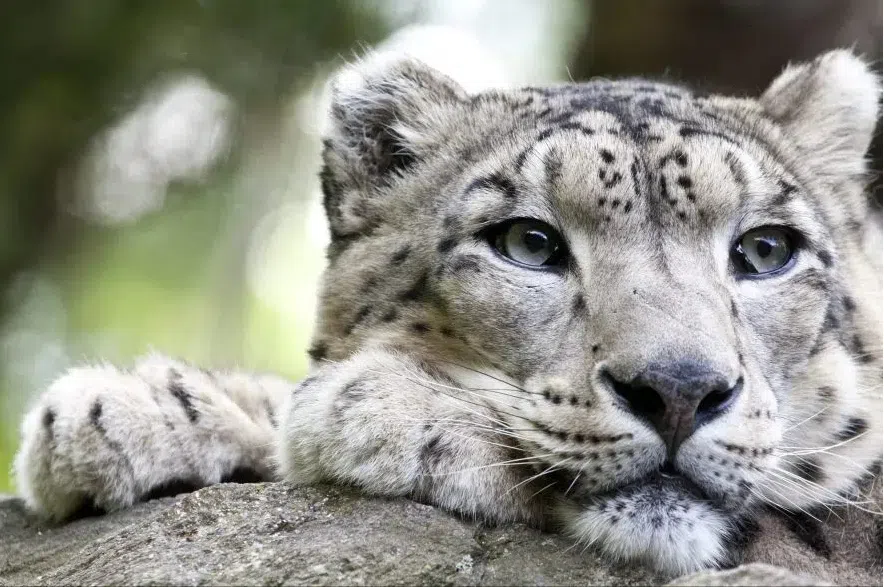
While staff at Saskatoon’s Forestry Farm Park and Zoo are bundled up, the snow leopard is out sun bathing.
Cold warnings continue to blanket the province, and zoo manager Jeff Mitchell says all of the animals have indoor habitats they can escape to.
Read more:
The zebras are cozied up in their heated barn, which is a project made possible by the Saskatoon Zoo Foundation.
“It was 9 C there this morning, so it was very nice for them,” Mitchell said on Friday.
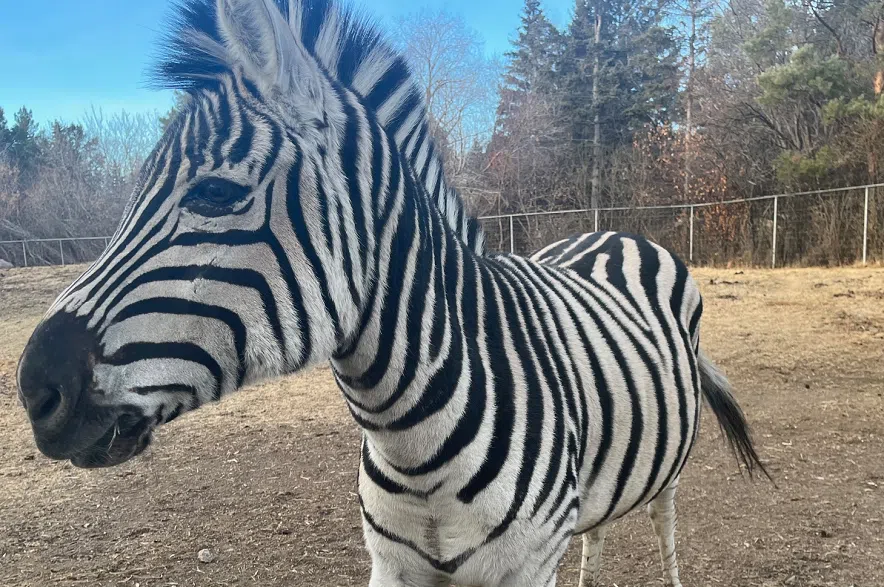
African zebras at the zoo can handle temperatures down to around -9 C. (Mia Holowaychuk/650 CKOM)
Other animals at the zoo such as the bison, elk and caribou adapt well to Canada’s winter as they are native to cold climates.
Animals like the snow leopard and the Pallas’s cat are in their element when temperatures drop to -40 C.
“Both of those cats are from the Himalayan mountain area, so they’re very used to wide temperature swings,” Mitchell said. “They do great in this environment.”
Mitchell said the zoo works with nutritionists to develop additional food for the animals as they burn a lot more energy to stay warm.
The zoo manager said at times, animals can eat up to 30 per cent more in the extreme cold to keep their energy and metabolize food.
Mitchell said staff are constantly monitoring animal behaviour in their habitats and sometimes animals will be taken out of an exhibit and put into a barn for quarantine.
He added that this year the bald eagles did not adapt well to the winter and were more comfortable in a heated area.
He noted that once an animal is taken into a heated area for the winter, they stay there until the spring because it’s hard to adapt back to winter temperatures.
It’s not just the animals bracing the cold at the zoo, it’s the staff too.
Mitchell said workers can get very cold feet when working outside, and that’s why he purchased boots used on oil rigs that can handle up to -60 C.
“My staff just love that we’ve been able to provide things like that with them,” Mitchell said.
“We make sure that they have heat, that they’ve got an opportunity to go in and out, and we encourage them to take extra breaks.”

Grizzly bears Koda and Mistaya take their winter nap known as torpor at Saskatoon’s Forestry Farm Park and Zoo. (Forestry Farm Park and Zoo/Submitted)
As for grizzly bears Koda and Mistaya, Mitchell said they are enjoying their long winter nap also known as torpor.
“When it was a little warmer, they were a little more active and moving around a little bit,” Mitchell said. “They haven’t moved for a couple of days now.”
The grizzlies will wake from their winter slumber around the end of March, and Mitchell says they should lose between 60 to 90 kilograms each.
“It’s always crazy to see how big they go in right before the winter, and how they come out,” he said.
Read more: