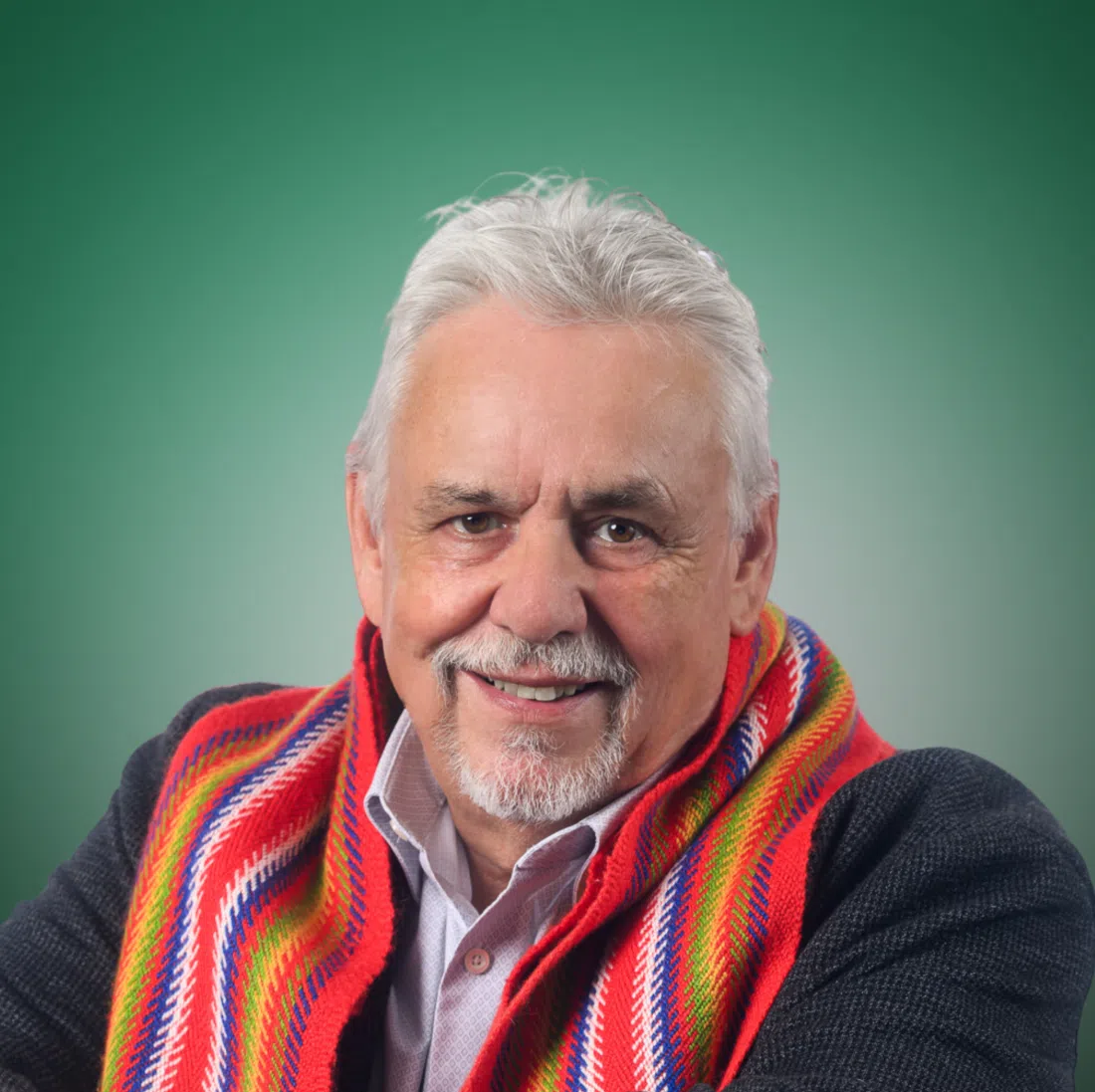


Sarah Mills: Ending door-to-door is the future for Canada Post
Rural Sask. has picked up mail from shared mailboxes for decades. Now, it will be the same in some parts of in Regina an...

Premier Scott Moe has added his voice to those in Saskatchewan and across Canada upset about cuts to agricultural research.
More than a week ago, Agriculture and Agri-Food Canada announced it would be shuttering research operations and cutting jobs as part of budget cuts and attempts to shrink the federal public service.
Read more:
The federal department said research centres in Guelph, Ont., Quebec City and Lacombe, Alta., as well as four satellite research farms across Nova Scotia, Saskatchewan and Manitoba are closing.
The two locations in Saskatchewan being closed are farms in Scott, southwest of the Battlefords and near Indian Head, east of Regina.
Speaking to media on Friday, Moe called the cuts “unfortunate”, saying agriculture research isn’t a good place to make public service reductions.
“Our ag research stations, wherever they might be in the province have very much been a part of the development of some pretty ingenious and innovative technologies, and hearken back to some of the zero-till technologies,” said Moe.
The premier said zero-till has been helping to provide some of the opportunities for Saskatchewan and Canada to be at the heard of sustainable food production.
Moe included companies and organizations to show off zero-till technology in the delegation Saskatchewan brought to COP-28 in 2023.
According to the premier, these cuts are being made in the wrong place. He suggested that if the federal government needed to make budget cuts it should instead remove the recent gun buy-back program.
“There’s one province that is supportive, there are nine provinces that are not supportive of that particular initiative and, I think, more broadly we see Canadians not supportive of it,” said Moe.
A number of farmers and farmer groups have spoken out against the agriculture research cuts.