
Sarah Mills: There is still some skepticism about ice skating judging
Canada's ice dancing bronze medal should be celebrated, but Sarah Mills says the stink of Salt Lake City and the judge v...
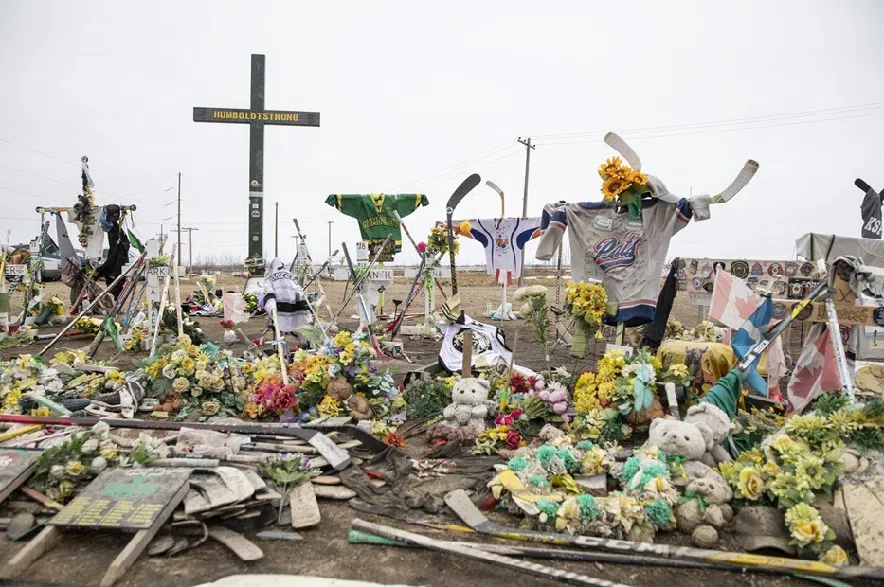
Carol Brons’ daughter Dayna, athletic therapist for the Humboldt Broncos, was one of 16 people killed in a collision between the hockey team’s bus and a semi in 2018.
Brons, who is now a director with Safer Roads Canada, joined The Evan Bray Show with guest host Brent Loucks on Thursday to explain what she feels needs to happen to improve safety on roads and highways across the country.
Read more:
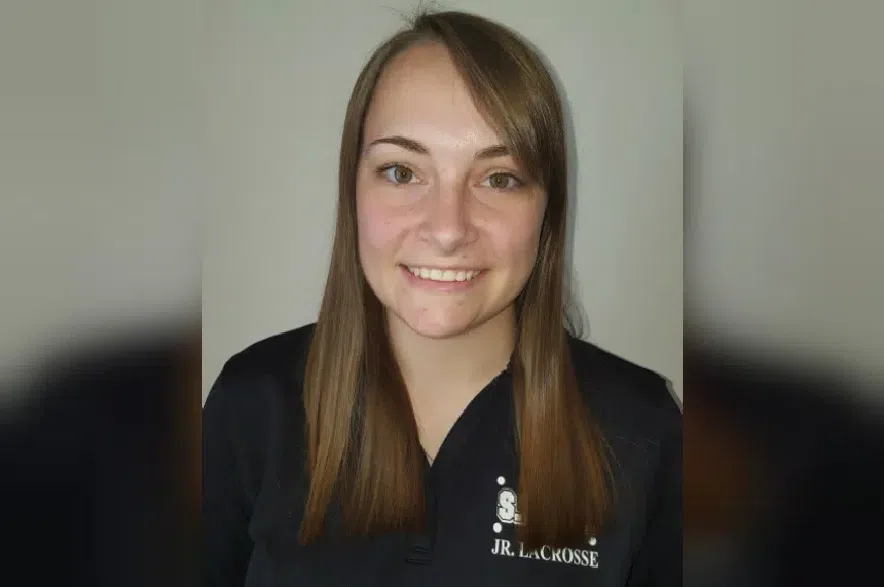
Athletic therapist Dayna Brons was killed in the Humboldt Broncos bus crash in 2018. (Submitted)
The following transcript has been edited for length and clarity.
BRENT LOUCKS: Tell me about Safer Roads Canada. This is an organization that you spearheaded following the Humboldt Broncos bus crash. What, exactly, is the work that you’re doing with Safer Roads Canada?
CAROL BRONS: We’re mostly a body that’s trying to advocate for changes to the trucking industry and the licensing and the regulatory bodies of trucking across Canada, basically. So we have members, original members, from B.C. that they’re kind of stepped away a bit, but from Alberta, Manitoba and Ontario right now, and then myself from Saskatchewan, so we’re kind of trying to represent the whole country and get ideas from across the country to compare and try to make changes, as a body, together.
Are we making any progress when it comes to the standards for commercial truck driver training and licensing?
BRONS: There’s been quite a few changes over the last few years, but it’s definitely not integrated across country, other than the introduction of the MELT (Mandatory Entry-Level Training) program in several of the provinces. However, that is still not exactly enough to really make a person myself feel comfortable with the amount of training that drivers are getting. Every province does their own training and licensing, so there’s definitely a considerable patchwork across the country.
When you talk about the differences in different provinces, I was thinking about how the federal government these days is talking about opening up our borders as far as interprovincial trade and such. Is that an area you think would be a benefit, to have standardized training and licensing right across the country, instead of each province going its own way?
BRONS: Definitely. I think there should definitely be a lot more communication between the provinces. Saskatchewan, for instance, has made some changes into the licensing for those working in the oil patch and things like that, to link with Alberta, but I’m not sure that all the changes that they’re making are necessarily bringing up the training level, or they’re just kind of all scrambling to get to the bottom. Sometimes it feels that way. There’s just been so many instances since the bus crash of the Broncos. It doesn’t seem to really have changed a lot in the matter of safety on the roads. We have excellent drivers for the most part, but then we have those that just are standing out as the bad apples.
One of the big things is definitely to have more training, more of a graduated training system for these drivers, so they can get a training and experience in different environments and different terrains and different localities. Somebody that’s training in a small city goes through a big city, and they should be considered well trained for those conditions. Or taking somebody that’s driven all their life in the province of Saskatchewan and has to drive through the mountains and hasn’t been trained how to properly put on chains, or, the different chains for conditions and those types of situations. It’s something that you need to be mentored for. You need to have the time with a more experienced driver to to help you make those correct decisions, and for everybody to feel comfortable that you are being trained properly.
If people want to find out more about Safer Roads Canada and the work the organization is doing, I’m assuming there’s a website we can go to?
BRONS: Yes, it’s saferroadscanada.ca. And I just want to send my condolences to the families in Alberta. They they are going through a tough time too now, and I feel for them and hope that they are getting the support from the community and surrounding people.