

Wood file: Sometimes the better team doesn't win
Canada was snakebit in the gold medal hockey game, and sometimes, even when you dominate the other team, you come up sho...
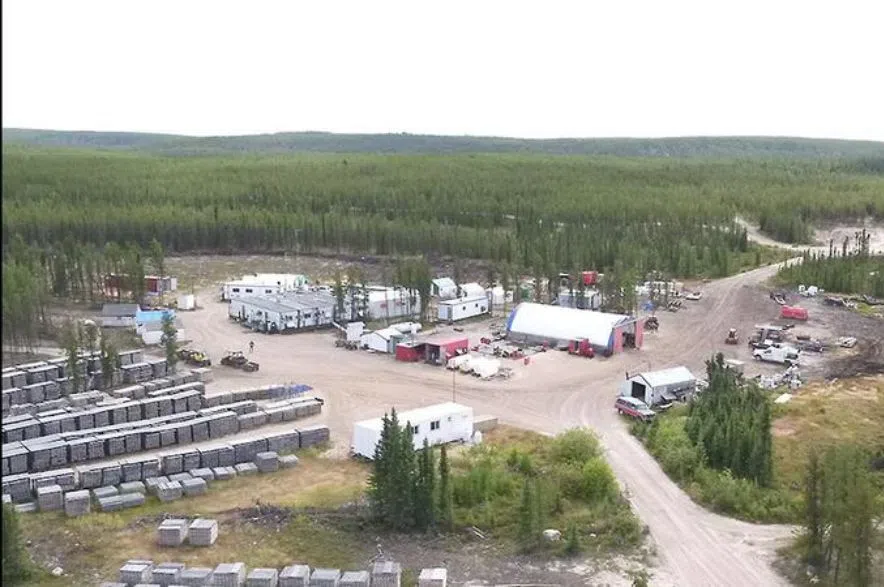
NexGen Energy said it feels confident about the future of its proposed Rook I uranium mine in northern Saskatchewan after completing the final round of hearings before the Canadian Nuclear Safety Commission (CNSC), and the recent approval of a neighbouring uranium project adds context to the province’s mining landscape.
“We’re feeling very positive coming out of both hearings, obviously being very respectful of the process and the regulator, the Canadian Nuclear Safety Commission, but yes, absolutely feeling extremely positive,” said Travis McPherson, NexGen’s chief commercial officer.
Read more:
The Rook I project, located in the Athabasca Basin on the Patterson Lake peninsula, is a proposed underground uranium mine and mill NexGen says would be one of the world’s largest and lowest-cost operations. NexGen still needs a federal licence from the CNSC before construction can begin, following its provincial environmental approval in 2023.
McPherson explained that to build a uranium mine in Canada, proponents must secure three key approvals: a provincial environmental assessment, followed by a federal environmental assessment and a federal licence, the last two overseen by the CNSC.
Part one of NexGen’s federal hearing in November 2025 focused on technical details. Part two, held in Saskatoon in February 2026, allowed interveners, including Indigenous Nations, community members and other stakeholders, to make submissions about the project’s potential impacts and benefits.
McPherson said all four of the Indigenous groups identified in the local project area were “extraordinarily supportive of the project going ahead,” and other witnesses at the hearing expressed optimism about the company’s approach.
His comments came as the Canadian Nuclear Safety Commission issued a licence to Denison Mines Corp., authorizing site preparation and construction of the Wheeler River uranium project, also in the Athabasca Basin. The regulatory decision, which clears federal environmental and licensing hurdles for Wheeler River, allows Denison to prepare the site and begin construction of its Phoenix in-situ recovery mining operation.
Denison describes the Wheeler River project as the largest undeveloped uranium deposit in the eastern Athabasca Basin and will use in-situ recovery (ISR) mining. This method extracts minerals while they remain in the ground.
In a statement, Denison’s David Cates, president and chief executive, called the CNSC decision “a landmark achievement” and thanked regulators and stakeholders for their work on the extensive review process.
For NexGen, the approval of Wheeler River is seen as a positive sign for the broader Saskatchewan uranium sector. McPherson said the recent decision “was positive for the sector” and “positive for Canada,” demonstrating that projects can move through regulatory processes efficiently.
If Rook I receives its licence, McPherson said it could bring “generational training opportunities, generational careers, infrastructure improvements” to communities near the project site. He also highlighted potential economic benefits for the province, including royalties that support public services and infrastructure.
“We have the money to start, we’ve got the team in place and we are absolutely chomping at the bit to get going,” McPherson said, reiterating that NexGen is prepared to begin construction once federal approval arrives.
A decision on Rook I’s licence application is expected by the federal regulator in the coming months.