

Murray Wood: It's getting better all the time
Even if it seems - as the rejoinder in the Beatles' song observed - 'it couldn't get much worse,' Murray Wood suggests w...
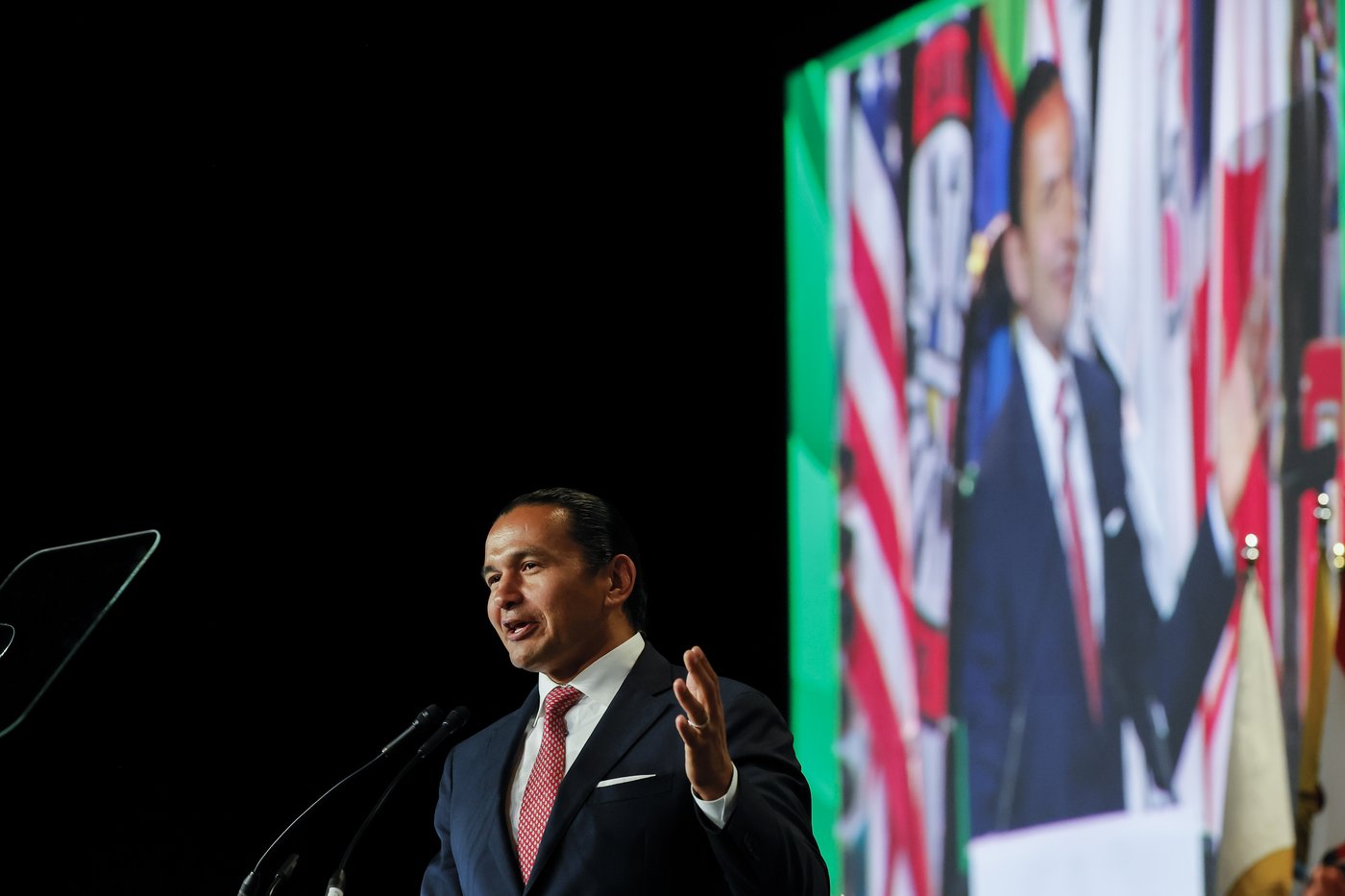
WINNIPEG — Tech companies that don’t comply with the province’s plan to ban children from using social media and artificial intelligence chatbots may face billion-dollar fines, Manitoba Premier Wab Kinew said Tuesday.
He offered few other details about the move to restrict social media for those 16 and under but said the penalties would be unprecedented.
“We have set fines at a level that we’ve never seen in this province before,” the premier told reporters, adding children and their parents wouldn’t be penalized.
“None of this is designed to make us judge another family. In fact, we are trying to help the other families in the province. And so all the enforcement will go against the big tech firms.”
On Saturday, Kinew announced Manitoba would be the first province to implement a social media ban for children, although the idea has been raised by others.
Legislation outlining the ban is expected to focus on educating the public about impacts on the mental health of children.
Kinew has stressed it’s about protecting the well-being of kids from technology platforms that he says hurt their development. And he has said it’s paramount to include AI chatbots in the conversation.
“There really is no difference between AI and social media when you get into the technology,” he said Tuesday.
“Effectively, the social media platforms are sophisticated AIs which are trying to keep you and kids hooked to screens by exploiting the dopamine reward system in your brain.”
Australia became the first country last December to create a law enforcing age limits on social media accounts, and it introduced fines for companies found non-compliant.
Federal Culture Minister Marc Miller said earlier this month the government is “very seriously” considering a social media ban for kids and would leave it to an expert panel, currently examining online harms, to weigh in on whether legislation should also cover AI chatbots.
Manitoba has said it may roll out the first phase of its ban in schools while legislative changes are made. The province introduced a school cellphone ban in 2024.
Some Manitoba schools divisions have built their own AI systems to use internally and said they want to be consulted on the ban.
Kinew warned that any systems powered by programs like OpenAI and sites including YouTube could get the boot from schools.
“Teachers will need to get ready, school leaders will need get ready. And of course we’ll work with tech platforms if they want to modify their products in the future.”
A spokesperson for the St. James-Assiniboia School Division in Winnipeg said it will work with the provincial education department to implement any changes needed to comply. It deferred further comment on the ban to the province.
Other details of the ban, including how a province would have jurisdiction over international platforms and when the legislation would come into place, remain unclear.
Other provinces are considering their options.
In Ontario, the government has said it’s looking at implementing a social media ban as well as a near-total ban on cellphones in schools.
British Columbia has said if the federal government doesn’t bring in protections, it would look to follow Manitoba.
Kinew said he expects other provinces will join Manitoba.
“I really can’t foresee a situation where we’re really the only ones in Canada doing this. I think everyone will move in this direction.”
This report by The Canadian Press was first published April 28, 2026.
– With files from Wolfgang Depner in Victoria and Allison Jones in Toronto
Brittany Hobson, The Canadian Press