Evan Bray: What would 'associate' EU membership mean for Canada?
There's been a lot of talk about Canada possibly becoming an "associate member" of the European Union. Evan Br...
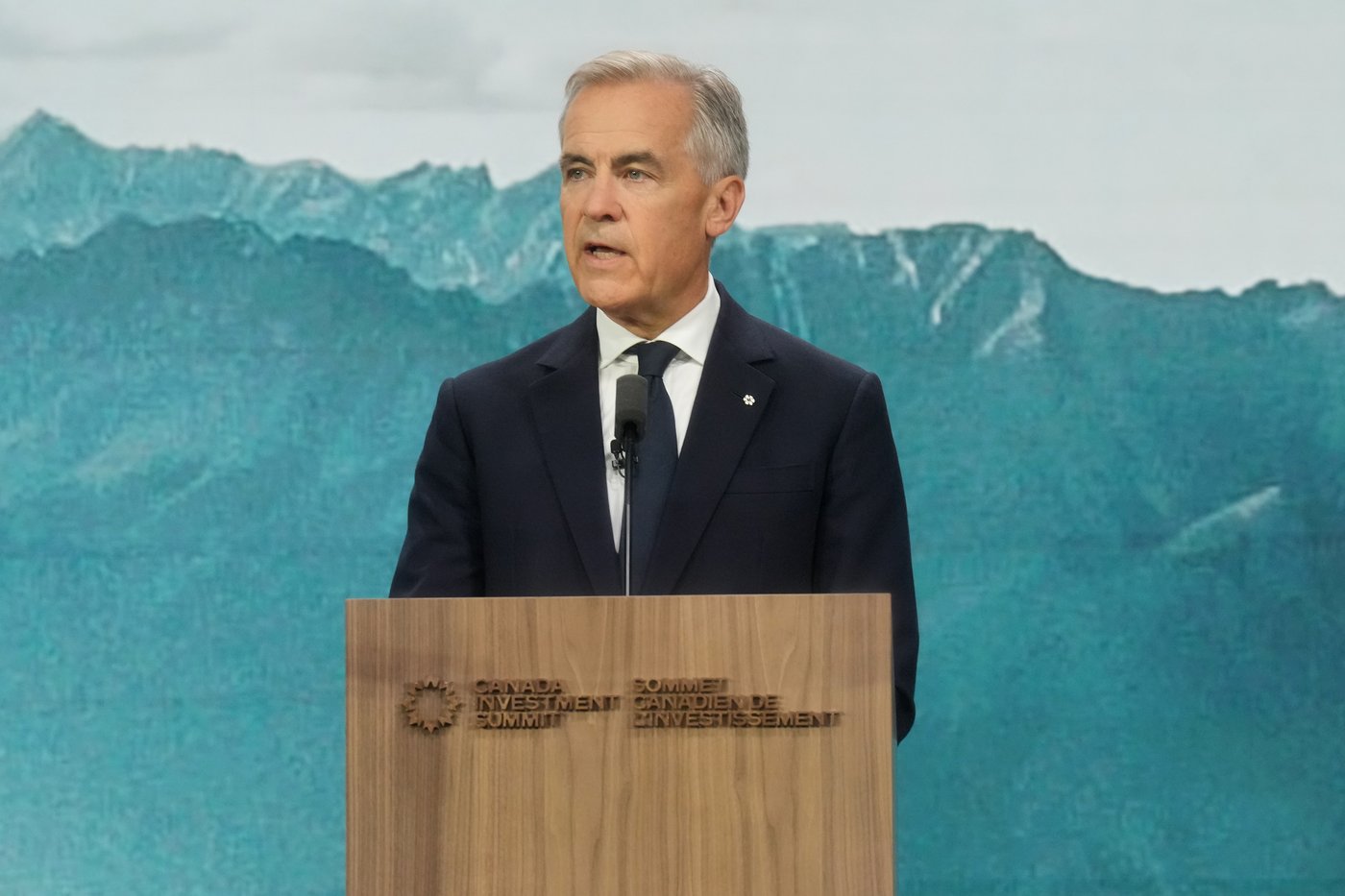
TORONTO — Prime Minister Mark Carney says he wants to see private investors take over operations at Canada’s four largest airports — Toronto Pearson, Montreal, Calgary and Vancouver.
In a keynote address at the investment summit in Toronto on Tuesday, the prime minister said the federal government would retain ownership of the land and assets.
Carney said the goal is to shift federal spending on major airports’ operating costs toward smaller regional airports — a move he suggested could reduce traveller costs at those destinations.
“We will reinvest the tens of billions of dollars of capital that we raise into infrastructure that Canada needs for the next generation,” Carney said in his speech.
“That will mean investing in regional airports, providing better and more affordable regional and remote air connections. It will mean a better passenger experience.”
The prime minister said the proceeds from private investors taking over major airport operations would also go into both “nation-building” projects and local transportation infrastructure projects aimed at easing commutes.
When asked by reporters Tuesday if foreign private capital will be barred from operating Canada’s airports, Carney said in French that it would be an open competition for contracts.
Carney said the government is not looking to privatize airports but rather to change their operational structure to allow private operations to “manage the airports for a period of decades.”
“Our intention is to retain an ownership position in these concessions in our new Canada Strong Fund so that as the value of these airports, as they improve, Canadians will benefit directly in that,” Carney said.
The prime minister said all regulation and oversight would remain with Transport Canada and the details of how this could work will be discussed in upcoming consultation sessions.
He added that any deal would weigh the benefits for passengers and airport workers.
Under Canada’s current airport operational structure, private, not-for-profit airport authorities lease airports from the federal government and run the facilities themselves, overseeing everything from runway maintenance and baggage handling to terminal building maintenance.
Airport authorities are financially independent and are responsible for setting their own fees and recovering their operating costs.
Karen Hennessey, a partner in the business law group at Gowling WLG, said Carney’s plan will likely require legislative changes given how airports operate.
She said concession agreements act like a lease, through which a private investor agrees to control, maintain and ideally upgrade a facility before turning it back over to the government at the end of a set term.
“The crux of it is going to be what are the expectations for the investor or the concessionaire around the investment required, service levels, making sure there’s performance, safety and other public interest considerations,” Hennessey said.
“This isn’t going to be a situation where the concessionaire is allowed to just take over and run it the way they would run any other business.”
Lily Chang, secretary treasurer with the Canadian Labour Congress, said Canada’s airports generate about $525 million annually in federal revenue and Ottawa is ready to give that up for one-time payments. She argued that investors’ quest for revenue will hurt average Canadians.
“Our report estimates that private owners would have to need those airports to generate 15 to 20 per cent more revenue than they do today. And so where is that coming from?” she said.
“So higher fees, higher fares, lower labour costs and staffing, as well as less revenue going back (to Ottawa).”
The Australian Competition and Consumer Commission has been tracking the effects of privatization on Australia’s airports.
The commission has said that passengers face airport price increases when they become privatized local monopolies. Its most recent report says that while increased infrastructure spending will likely mean higher costs for passengers, people are generally satisfied with the services.
Patrick Lucas, founder of Montreal-based Airport Economics Consulting, said this shift in airports policy could be “win-win” for both the government and the private sector, depending on the terms of the multi-decade concession contracts.
Lucas said the government will need to strike a “balance” between its need for revenue and the contractor’s need to “make their money back,” while keeping charges paid by passengers and airlines “reasonable.”
He said that while fees have increased in Australia, that’s due to the construction of new infrastructure that will benefit passengers. He said this model is being looked at by “cash-strapped” governments around the world.
Christopher Read, Air Canada’s former director of corporate development, said the structure of a concession agreement is what really matters.
He said private capital can bring a lot of “commercial discipline” to an airport’s operations. He warned that if the government puts its focus on “maximizing the upfront cheque,” that will make it more difficult for an investor to make a profit before their contract ends.
“I think a private airport, it can deliver excellent outcomes, but only if the incentives really are aligned so that investors earn a good return improving the airport and they’re not simply extracting more from airlines and passengers,” Read said.
The NDP and Bloc Québécois both issued statements Tuesday firmly opposing the prime minister’s plan. Both parties said putting airport operations into private hands will mean increased costs for travellers.
“We should be making air travel more affordable, protecting good airport jobs and improving public infrastructure, not turning critical public assets into decades-long money printing machines for CEOs and their shareholders,” NDP Leader Avi Lewis said in a media statement.
Conservative Leader Pierre Poilievre told a press conference in Vancouver on Tuesday he wants to see details of the policy before passing judgment.
“We want to make sure that it doesn’t end up being sweetheart deals for corporate power brokers and Liberal insiders at the expense of hard-working Canadians who are already struggling to put food on their table,” Poilievre said.
B.C. Premier David Eby told journalists at the investment summit the Vancouver airport has a sterling international reputation and he wants to see that maintained. He added that while Carney did not consult him before this announcement, revenue from larger airport deals could help smaller B.C. airports.
“If you live outside of the Lower Mainland, it is hard to get a flight. And so, some support for regional airports creates significant economic impacts for the whole province,” Eby said.
The overall goal of the investment summit is to attract $1 trillion in new investment to the Canadian economy over the next five years.
Carney told investors at the summit that Canada is positioning itself as a “safe harbour” for their money on a chaotic global stage.
This report by The Canadian Press was first published Sept. 15, 2026.
— With files from David Baxter in Ottawa and Craig Lord in Toronto.
The Canadian Press Staff