


Murray Wood: Trump's potash claim is more 'art' than deal
The U.S. president says a deal is in the works to buy cheap potash from Belarus, but Murray Wood says Donald Trump proba...
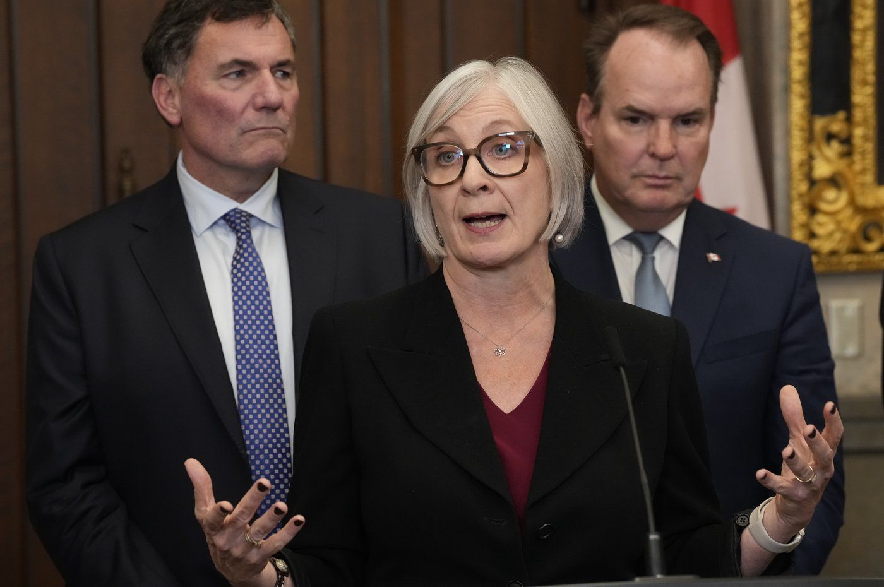
The federal jobs minister says she can’t give a “blanket answer” on when the federal government would move to end a strike or lockout under the new labour legislation tabled Monday.
According to the proposed Building Canada Strong Act, a work stoppage must be affecting the “national interest” before the minister can trigger Section 107 of the Canada Labour Code to end a strike.
Read more:
Jobs Minister Patty Hajdu tells The Canadian Press there’s no set timeline for federal government intervention in a strike affecting a critical industry.
She says strikes could still happen under the proposed legislation and the point of a work stoppage is to inflict economic pressure in a labour dispute.
But Hajdu says that pressure can mount quickly when, for example, a work stoppage hits the transportation sector and puts perishable goods at risk, and the government will be evaluating each strike individually.
The Canadian Labour Congress argues the proposed changes to Section 107 would weaken the position of workers in collective bargaining and plans to respond to the government’s proposals in a press conference today.
This report by The Canadian Press was first published Sept. 22, 2026.