

Murray Wood: Who's hot... and who's not
Every Friday, Murray Wood takes a look back at the week's news and decides who's hot... and who's not. This week's list ...
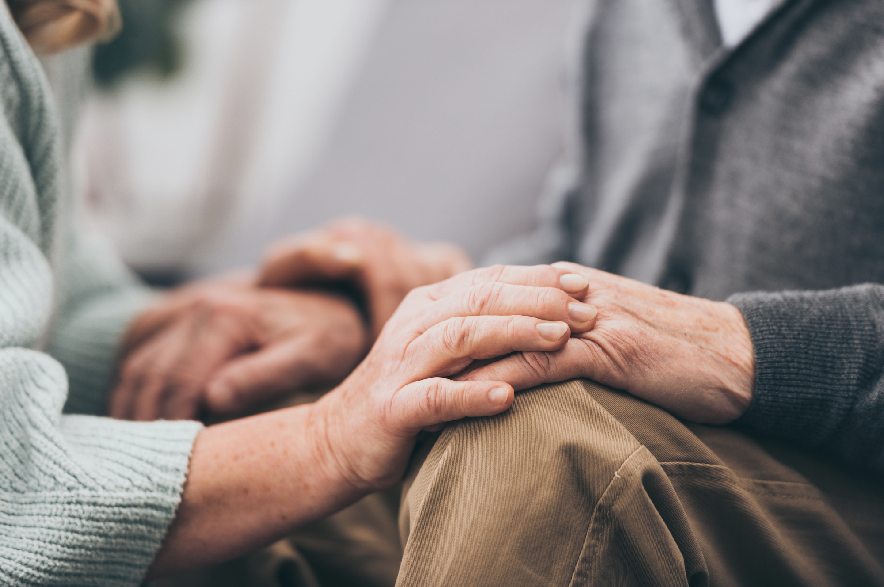
As Saskatchewan’s population ages, a health policy analyst suggests there needs to be a shift in the ways seniors are cared for in the province.
Steven Lewis, who has spent decades researching health policy in Saskatchewan, joined The Evan Bray Show with guest host Tamara Cherry on Wednesday, saying the province needs to invest in alternative options instead of relying on long-term care homes.
Read more:
The message comes as Saskatchewan’s aging population could require thousands more nursing-home beds over the next decade.
Lewis said home care, supportive housing and community-based support systems can help seniors remain independent longer, better support aging in place, ease the burden on families who often become full-time caregivers and reduce the burden on taxpayers.
The following questions and answers have been edited for length and clarity.
TAMARA CHERRY: As our population ages in Saskatchewan, you argue the province cannot simply build its way out of this with more nursing homes. Why?
STEVEN LEWIS: It’s crazy expensive for one thing, and when you have all that money locked into big capital expenditures, it reduces the amount of money that you have for other things, including the care component, including other expenditure pressures that governments have. Health care already consumes about 40 per cent of the provincial budget, so using it in the most effective way possible is really important. Secondly, nobody wants to move to a nursing home. Some people have to. For decades, seniors and researchers have argued that you want to keep that number as low as possible. There are robust community alternatives, but you have to invest in them, and you have to provide services to people before they’re in a crisis state. So what we tend to do now is to be very reactive. We rely very heavily – much more so than northern European countries, for example – on families to do what they can to look after their aging parents and so on. So you get this sandwich generation, where the burdens can be really quite onerous on people, and the other option we do is we say, “Well, you’re on your own until we hear from you.” We’ll just hope that everything is fine, and then somebody has a catastrophic health breakdown, they go into the hospital, they sit in the hospital for a month or two waiting for a scarce nursing home bed. I think the challenge is, can we do better? I think the evidence that we have, and what seniors and their families would prefer, would suggest we’re not doing enough to pursue those alternatives, and that those alternatives do exist.
A new nursing home bed costs around $1 million. Why is it so expensive?
LEWIS: It shocked me too, so I checked it out by looking across the country, and in B.C., for example, they just put a hold on about seven or eight projects where the estimated cost was $1.8 million per bed. I’m a bit baffled why it’s so high. Construction costs generally have gone up, but that is an enormous boost from 10 or 15 years ago. They’re built to higher standards. They may have more equipment in them and so forth. They may have bigger spaces for things like activation and rehab, but it’s still a shockingly high figure. But that’s the current reality. As I mentioned, even in Grenfell, Saskatchewan, where you wouldn’t be paying a lot of money for the land to build the nursing home, it came in at $1.3 million a bed. Then you add the care on top of that – and people who do go into nursing homes have pretty high needs – you’re looking at $150,000 a year per person, which is a daunting figure.
What are the alternatives to long-term care?
LEWIS: The main alternatives are home care, where people need some assistance, you get it, and it allows you to stay where you are for as long as you can. There are people who are checking in on you, so they’re aware of any health breakdown that you may be suffering or any other risk factors. Simple things like sending an occupational therapist into a senior’s home to say ‘Is this designed to keep people safer? Is the kitchen accessible? Do you need to install lower cupboards? Do you need to make sure the lighting is better so people don’t trip and fall?’ This is a major source of health decline that lands people in nursing homes. The others include – and we’ve been told this, and I’m a senior myself – making the move from a big, single-family dwelling to either a condo, an apartment or a facility that has some service potential built into it, like assisted living or adaptable housing, before you need it. It’s always tough for us to admit that we’re losing some capacity, or that we’re at more risk if we are out on our own, but the conversation has to be begun earlier.
One great thing Saskatchewan has is some really good organizations like the Saskatchewan Seniors Mechanism, which is an umbrella organization that links a lot of seniors organizations around the province. There’s the Saskatoon Council on Aging, and they have great materials, and they have great programs and offer lots of seminars where people can prepare for the inevitable older-age circumstance where you really can’t live safely independently.
And the third option is to make use of emerging technologies. One reason why people are at risk when they are in an independent circumstance is that you can go days without seeing anybody, and people aren’t sure how you’re doing. We have monitoring technologies now and we can even do medical monitoring. There are all sorts of ways to get voluntary surveillance that your family can look in on you, and the health system can check in on you. Taking advantage of those communications would also identify risks before they turn into something more catastrophic. Then, finally, ironically, nursing homes can actually play a role in keeping people in the community. There’s a very interesting program in New Brunswick where the Nursing Home Without Walls involves using the capacity within nursing homes to sometimes bring people in for activation, for a bit of rehab, for socialization, and also deploying some of their resources and people in the community to look at people at risk and do what you can to reduce their risks for living in either assisted living or in their own homes. It started in one site, it’s now in 36, and Healthcare Excellence Canada, which is a federal organization, is starting to spread this model across the country, and the early returns are that they do save some money doing this, and people actually reduce their use of emergency rooms because some of that prevention is starting to take root.
I think the central message is, we don’t know the limits of what we can do in the community, and I think the Canadian experience has been that we haven’t really tested them. I think we need to look at countries like Denmark and other northern European countries, where the sort of culture is that the state has a responsibility to look after people’s health and mobility needs as much as possible to lead a dignified life. Yes, the family should do its part, but mainly the family time spent with its seniors should be quality time. It should be how you behave as a family. It shouldn’t be conscripted almost full time to be a caregiver, and that’s a societal choice, frankly, and it’s a bit of an economic and political choice.
There is a level of guilt that comes for a lot of family members when they feel like they can no longer take care of their aging parents. How do we change the cultural component of it, where some families refuse to reach out for extra support until it is that critical situation, which gets us into this nursing home mess?
LEWIS: First of all, we have been conditioned to think that’s our fate, that we are going to be looking after our elderly patients, and the public system in long-term care, especially the community end of it, is a bit spotty. That is essentially a political choice. The bargain they’ve made in some other countries is “We’re going to have a fairly high tax system, but we’re going to have better public services,” and that includes everything from better care for the elderly and more elaborate services or more comprehensive services in the community, but it also means lower tuition for post-secondary education. So those are fundamentally political decisions, and in some ways economic decisions, and that’s the conversation that we need to have, because some people feel it’s their duty. “I don’t have a choice; I am going to be spending 30 hours a week with my elderly parents when I’m 60 years old.” But I think a whole lot of people are saying this isn’t really working out for any of us, because the parents feel guilty too. They don’t want their adult children having to be on call 24/7 and tethered to looking after them. What we need to do is find the balance. The win-win situation is that we do both. Can we ease the burdens on families and lower the risks for seniors at the same time as not investing so heavily in nursing homes and very expensive alternatives, which do place serious pressures on government budgets? I sympathize with governments having to balance these things.
As somebody who has worked in this space for 45 years as a health policy analyst and researcher in Saskatchewan, how do you take all of your knowledge and apply it to your own life? Has it changed the way that you live and how you plan to live out your senior years?
LEWIS: Yes, and some of it is good fortune. I’ve had a pretty lucky life. I’m a pretty healthy 75-year-old guy, so I don’t have any deficits right now. We live in a condominium that has a very vibrant community, and it has public spaces that really encourage meeting and activation. There’s a book club, there’s a library, there are all sorts of things. One of the biggest risk factors for all of us, and it’s not some catastrophic thing, but it occurs gradually, is isolation, loneliness, and not having community, and not having stimulating things to do. The second thing is – and I realize this isn’t a choice for everybody, but it’s partly to do with the community design and where you live – getting out and walking five minutes a day has an amazingly good effect on people’s health. Just a little bit of activation and being able to walk to services, the famous 15-minute community, is really important for seniors. This isn’t the seniors’ issue; this is a community design issue and how we arrange things for an increasingly aging society. The third thing is, do pay attention to what seniors’ organizations are saying.
What are the emerging risks, what are these technologies, and do they help? Do they work to keep you independent? Even in the best of circumstances, we’re all mortal, and you never know. I could have a stroke next week and my life could change dramatically. There’s no magic here, but there are things that everybody can do, and I think the single most important thing that any senior can do is to find a situation where you do have good support, friendships, activities, things you like to do and the means to get there. The best thing that society can do is to make sure that aging people are not isolated. The sense of community, the sense of interaction is what makes your life better, and that is also a preventive measure for a whole lot of things.