


Murray Wood: Who's hot... and who's not
Every Friday, Murray Wood takes a look back at the week's news and decides who's hot... and who's not. This week's list ...
This story was first published on RealAgriculture.com on Sept. 30, 2026.
As record-high fuel costs mount during harvest, the Conservative Party is proposing an ‘Emergency Fuel Relief Plan’ to lower diesel prices.
However, Pierre Poilievre’s plan to slash diesel costs comes with a trade-off that could reduce domestic demand for oilseeds — especially canola — as a growing portion of the crop flows into the North American market for renewable diesel and sustainable aviation fuel.
Read more:
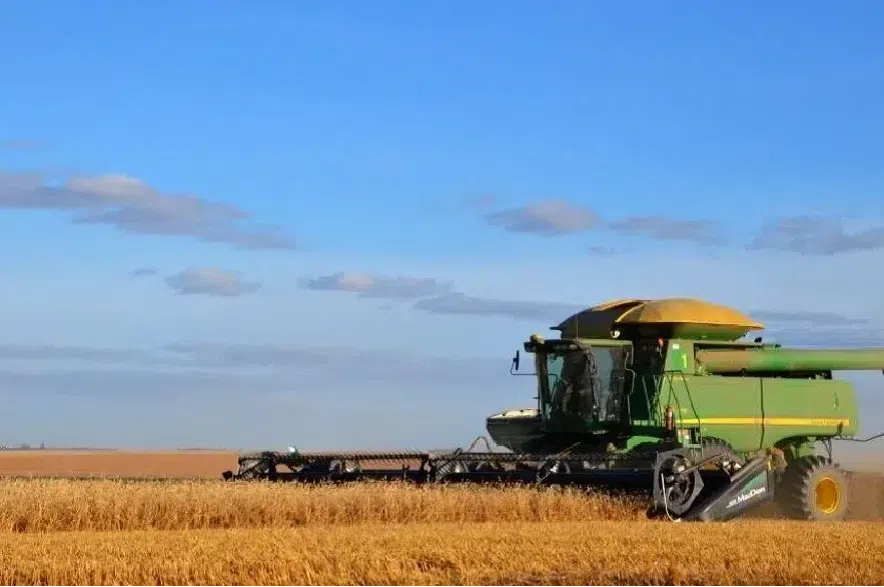
Poilievre and other Conservative MPs, including John Barlow, Shadow Minister for Agriculture and Agri-Food, have pitched a series of short- and longer-term fixes to address the diesel price spike, which they note has led to daily fuel bills for a single combine this fall exceeding $1,100.
To provide quick cost relief, the Conservatives are calling on the Liberal government to:
While immediate tax relief on fuel is an easy sell, scrapping renewable fuel requirements could come with consequences for the oilseed market.
Renewable fuel mandates in Canada and the U.S. have been a primary driver behind the multibillion-dollar wave of investment in Prairie canola processing over the last several years, including a major expansion in Western Canadian canola- crushing capacity and Imperial Oil’s renewable diesel facility near Edmonton.
According to the Canadian Canola Growers Association and Canadian Oilseed Processors Association, approximately one out of three acres of canola grown in Western Canada now flows into the North American fuel market, building domestic demand for millions of tonnes of seed while reducing exposure to foreign trade barriers.
The Carney government consulted on amendments to the CFR earlier this year after making a commitment in September 2025 to update the regulations to support domestic biofuel production. Industry sources say they expect the government will publish its proposed amendments in the coming weeks, if not days. On the ethanol side, Canadian producers are calling for changes to level the playing field with American imports, as they are struggling to compete with ethanol subsidized by the 45Z tax break in the U.S.
Regarding fuel taxes, the federal government did extend its federal fuel excise tax cut in early September —10 cents per litre off gasoline and 4 cents per litre off diesel — through Jan. 31, 2027.
Provincially, Alberta and Prince Edward Island have also enacted fuel tax relief, with the Alberta government reducing its 13- cent-per-litre tax on clear gasoline and clear diesel to zero as of October 1.
In the longer term, Poilievre and the Conservatives say the government should expand domestic refining and distribution to hit one million barrels per day of Canadian-refined fuel within five years, which they say would shrink the 32-cent-per-litre price premium Canadians currently pay compared to American diesel users.
To get there, the party is proposing pre-approved environmental and safety permitting for refineries and pipelines, a 100-per-cent year-one tax write-off for capital investments in fuel infrastructure, and the creation of a national Strategic Petroleum Reserve contracted through domestic refiners.
Listen to RealAg on the Weekend, Saturdays at 4 p.m. and Sundays at 1 p.m. on 650 CKOM and 980 CJME.