The Wood File: Who's hot...and who's not
Every Friday, Murray Wood takes a look back at the week's news and decides who's hot... and who's not. This week's list ...
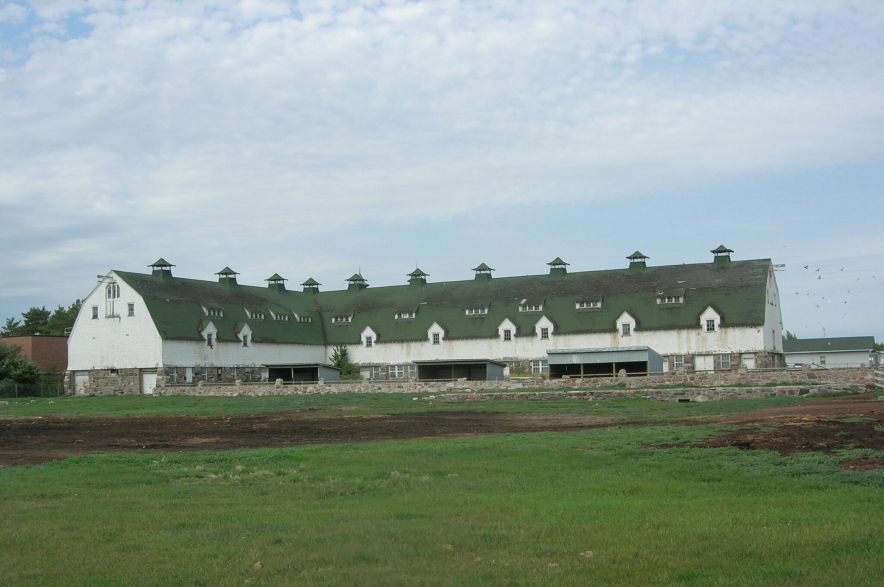
A century-old piece of Saskatoon’s history has landed on a national endangered list, despite efforts to keep it standing.
The University of Saskatchewan’s Stone Barn has been added to the National Trust for Canada’s 2026 Endangered Places List, raising new questions about the future of one of the campus’s oldest landmarks.
Read more:
The barn, located at the corner of College and Campus drives, has been closed since 2010 because of structural concerns. But the university hasn’t given up on the building.
In 2025, its board of governors approved $500,000 in emergency funding to stabilize the structure and prevent further deterioration.
According to minutes from a December 2025 board meeting, that work has since been completed.
The university reported the repairs included structural reinforcement, leaving the barn stable in the near term. However, how long that stability will last remains uncertain.
The building will also remain empty while its future is considered.
Built between 1911 and 1912 for $150,000, the Stone Barn was once a busy part of the university’s agricultural operations.
It was designed to house about 30 horses and 50 cattle, supporting agricultural teaching and research in Saskatchewan’s early years. Its two concrete silos are also believed to be the oldest in the province.
But as the university grew and its agricultural needs changed, the barn eventually fell out of use.
Engineering studies identified structural problems, including frost damage to its stone supports and deterioration of its roof trusses. Those concerns ultimately led to the building’s closure in 2010.
The university has spent years looking at what could come next.
A working group was established in 2022, followed by public consultations in 2023 that attracted approximately 600 responses.
In a 2025 update, the university acknowledged the financial challenges of restoring the building.
“While USask will not be able to bear the cost for repurposing the Stone Barn on its own, we continue to seek out partnerships towards this end,” the university said.
Preserving the historic landmark could require millions more.
At a September 2025 meeting, the university’s board reviewed three restoration options, with the recommended approach estimated at $13.6 million.
The board also discussed the building’s heritage value and the potential reputational consequences of demolition.
In December, board members received an interim report examining possible future uses for the barn and surrounding land.
The options would require significant investment, with further analysis requested.
The National Trust says the barn is one of the few buildings of its kind on the Prairies, pointing to its distinctive architecture and importance to the university’s agricultural history.
Its addition to the endangered places list draws national attention to the challenges the building faces.
For now, the repairs have bought the Stone Barn more time. But more than a century after it first opened, the question of what comes next remains unanswered.
Read more: