


Murray Wood: The fascinating phenomenon of people's laps
Who knew one's lap was so interesting? Murray Wood wonders: Do those folks really think we don't know they're texting be...
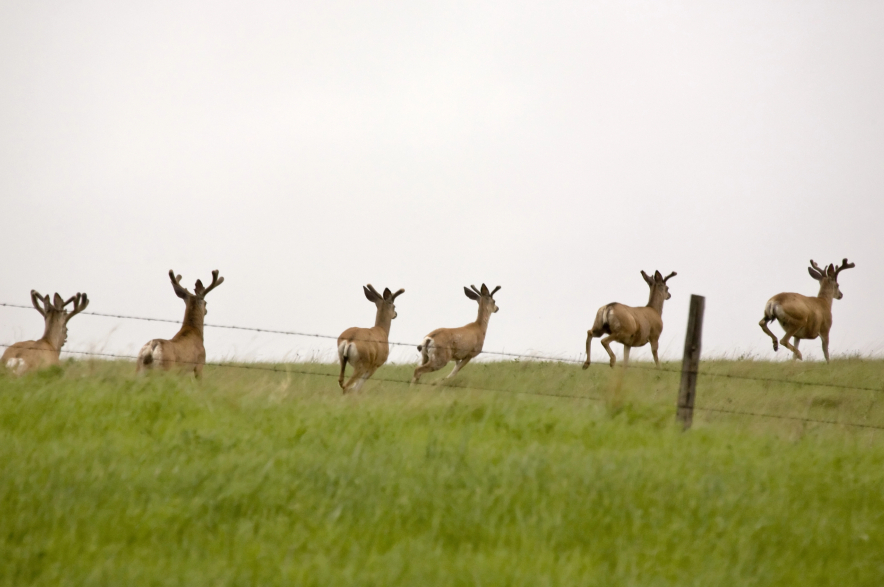
Some hunters in Saskatchewan say the were blindsided by the province’s decision to end a program that tests for chronic wasting disease (CWD) in deer and other similar animals.
A bulletin on the province’s website says the program is to be eliminated at the end of this month.
Read more:
Darrell Crabbe, the executive director of the Saskatchewan Wildlife Federation (SWF), said he was informed of the decision earlier this week and that it caught him off guard.
In a news release on Oct. 16, the federation called for the immediate reinstatement of the program, saying, the decision removes an important tool for monitoring a disease that continues to threaten Saskatchewan’s wildlife.
“Hunters have spent years submitting samples and supporting efforts to better understand CWD,” Crabbe said in the release.
“Ending this program undermines that work and leaves hunters with fewer resources to make informed decisions about the animals they harvest.”
The province said it’s ending the program because uptake from hunters has been low. Chronic wasting disease affects the brains and nervous systems of cervids, such as deer, elk and moose.
Health Canada said there’s been no reported cases of the disease in humans, but it recommends people don’t eat meat from animals known to be infected.
According to the federation, CWD was first detected in Saskatchewan in a farmed elk in 1996 and in wild deer in 2000.
Saskatchewan became the first province to detect the disease in wild deer. Neighbouring Alberta and Manitoba also operate surveillance programs to monitor the disease and guide their response.
The SWF said it is particularly concerned that provincial funding for laboratory testing of eligible game-farmed animals continues while the surveillance program serving hunters and wild cervid populations is being discontinued.
According to SWF figures, the provincial wildlife testing program costs approximately $450,000 annually, with more than $300,000 coming from the Fish and Wildlife Development Fund (FWDF), which receives a portion of hunting and angling licence revenues.
Hunters and anglers generate approximately $15 million annually through licence sales with approximately $10 million directed to general revenue, the SWF says, and it questions why a program supported substantially by licence-funded conservation dollars is being eliminated.
“Hunters and anglers already contribute millions of dollars each year through their licence purchases,” said Crabbe.
“Continuing to invest a portion of those dollars in CWD testing is a reasonable expectation. Saskatchewan’s wildlife deserves sustained attention, and hunters deserve access to a program they help fund.”
Testing provides information about where CWD occurs and how its prevalence changes over time. Ending surveillance will reduce the information available to hunters, researchers and wildlife managers working to understand and respond to the disease, the federation said.
The SWF added that anyone concerned about Saskatchewan’s wildlife should contact their local MLA, express their disappointment and call for reinstatement of the provincial CWD testing program.
“The government needs to hear directly from the people affected by this decision,” said Crabbe.
“We urge hunters to make their voices heard and ask their MLA to support restoring this essential program.”
Don Gordon, the president of the Saskatchewan Trappers Association, said the move is a step backward. He said he could see it result in less hunting, because hunters might not want to eat untested meat.
Gordon also said he worries about people wasting carcasses, which could result in the disease spreading quickly.
— with files from CJME News
Read more: