


Sarah Mills: Public entities need to be more transparent
Sarah Mills says a single coroner choosing not to release the toxicology report in the case of Saskatchewan Roughrider J...
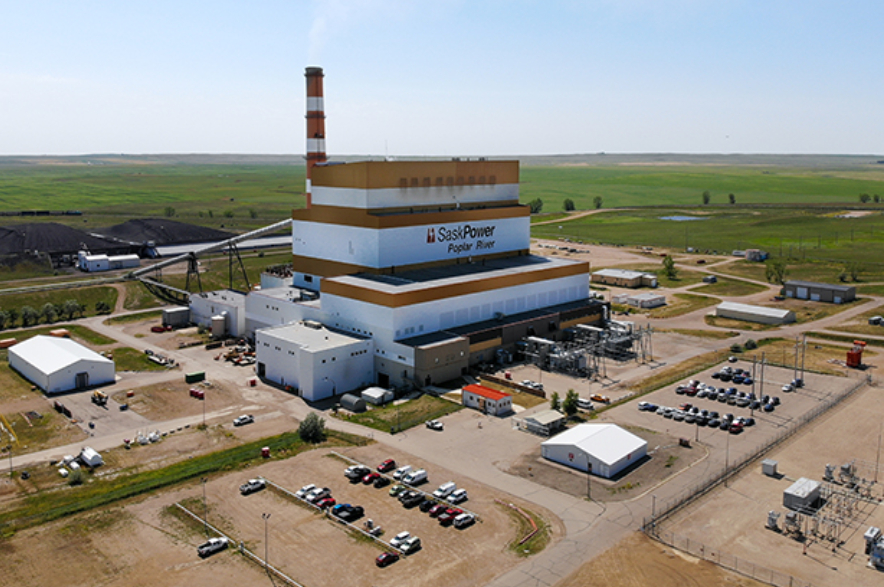
Saskatchewan’s plans to continue using coal-fired power to generate electricity will remain in place after the province’s Court of Appeal rejected an environmental group’s legal challenge.
The ruling is a setback for the Saskatchewan Environmental Society and its co-applicants, who have been fighting the provincial government’s decision to extend the life of its coal-fired power plants.
Read more:
The province announced in June 2025 that it would refurbish and continue operating its conventional coal-fired generating stations well beyond the federal government’s planned phase-out deadline of 2030.
The decision marked a shift from the province’s previous plans to transition away from conventional coal generation.
The environmental group challenged the province, arguing the government’s plan raises legal, environmental and financial concerns and should be subject to judicial review.
The case was initially dismissed by Saskatchewan’s Court of King’s Bench in January. The court ruled the decision was a matter of government policy and not something that could be reviewed through the legal process the group was pursuing.
The Saskatchewan Environmental Society and its co-applicants appealed that ruling, asking the Court of Appeal to allow their challenge to proceed to a full hearing.
The appeal focused on whether the courts have the authority to review the province’s decision, rather than whether the government’s coal extension plan was ultimately lawful or justified.
The Court of Appeal’s rejection means the earlier decision stands, leaving the environmental group without a further provincial court avenue to pursue its challenge.
The group would have to seek leave to appeal to the Supreme Court of Canada if it wants to continue the legal fight.
The Saskatchewan government has defended its decision to extend coal generation, pointing to concerns about electricity reliability, affordability and the need to maintain a dependable power supply as the province works toward other sources of generation.
The government’s plan would see conventional coal-fired power plants continue operating for decades beyond the federal phase-out deadline.
For now, the court ruling leaves the province’s coal strategy unchanged, with the future of the legal challenge dependent on whether the environmental group decides to take the matter to Canada’s highest court.
Read more: