


Sarah Mills: 'Associate member' is wrong wording in any Canada-EU pact
It appears Canada officially tying itself to Europe isn't part of what any future trade relationship looks like. Sarah M...
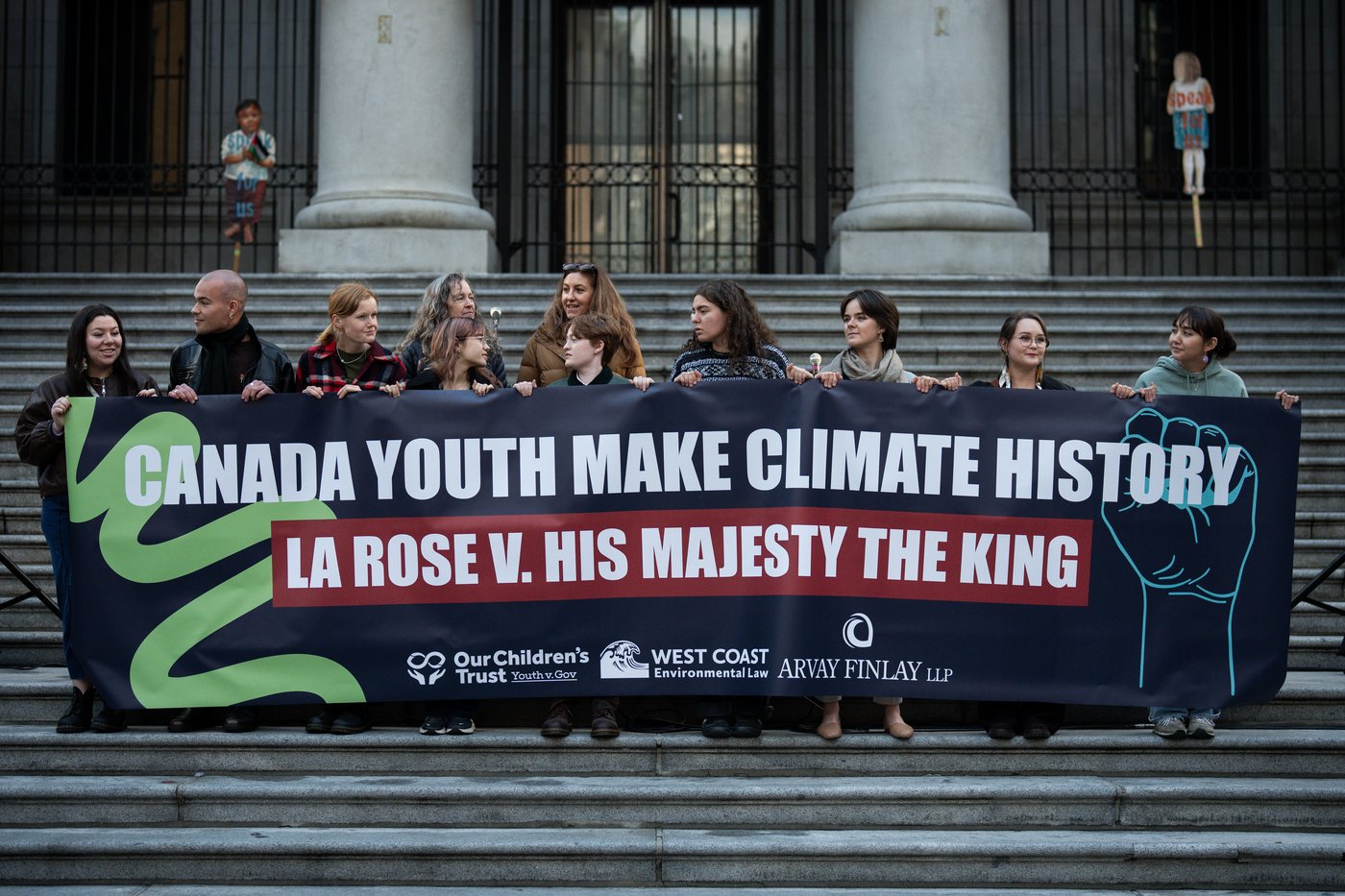
VANCOUVER — An expert in environmental engineering and atmospheric science says it’s “definitely” possible for Canada to transition to full renewable energy by 2050.
Stanford University professor Mark Jacobson says at Canada’s first youth-led climate trial that it’s technically and economically feasible — but there are social and political obstacles.
Jacobson has developed sophisticated models and road maps to help cities, states and countries, including Canada, make the shift to renewable energy.
His testimony says the country has “humungous” resources and potential, including wind, solar and geothermal opportunities, along with pre-existing hydroelectric capacity, and it does not need to rely on fossil fuels.
But he says that whether Canada actually makes the shift by mid-century “is more of a social and political question.”
Jacobson is a witness for 15 young plaintiffs in the lawsuit underway in Federal Court in Vancouver, arguing that federal legislation violates their constitutional rights by continuing Canada’s trajectory of greenhouse gas emissions.
The plaintiffs’ lawyer, Catherine Boies Parker, told the court in her opening statement the case was not about the existence of climate change.
Rather, it hinges on whether the government is “constitutionally required to stop making it worse,” she said.
“The plaintiffs are asking this court to hold Canada legally accountable for its role in continuing and worsening the climate crisis that is causing harm.”
This report by The Canadian Press was first published Oct. 29, 2026.
Brenna Owen, The Canadian Press



