

Sarah Mills: We must remember them
Remembrance Day is a statutory holiday, but Sarah Mills says not everyone will take the time to remember those who made ...
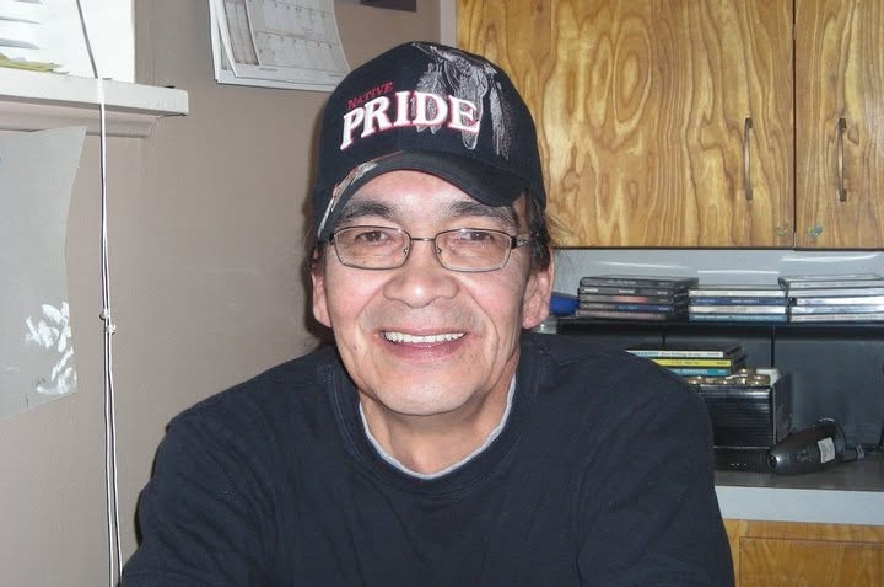
Peepeekisis Cree Nation, located northeast of Regina, has had many members serve in Canada’s Armed Forces in conflicts around the world. However, these veterans often haven’t received the respect they deserve for their service, especially after returning home.
Chief Claude Desnomie joined The Evan Bray Show, with guest host Brent Loucks, to share his family’s wartime stories and discuss efforts to ensure they are never forgotten.
Read more:
The following questions and answers have been edited for length and clarity.
BRENT LOUCKS: I suspect a lot of Canadians aren’t aware of the extent of First Nations involvement in our military and the war effort. So let’s start with your own family, Chief, as far as serving in wartime.
CLAUDE DESNOMIE: Yes, good morning. It’s a very solemn good morning as we speak about Remembrance Day and our many veterans who served in the military during the First World War, the Second World War and the Korean War. So it’s a good opportunity not only to remember them but also to tell the listening audience about our contributions to these conflicts.
Prior to the First World War, when they were asking for enlistments and before they started conscripting, we had volunteers from Peepeekisis. Back then, it was also called the File Hills Reserve. And so, as the First World War began, we had almost no young men on our reserve here, on our First Nation. They almost all volunteered to join the war effort in one way or another.
A lot of the young men who lost their lives in these wars weren’t even 20 years old yet. My own grandfather was a survivor of Vimy Ridge alongside many others from his First Nation here. He made it to the top and was wounded in that battle. He was a sniper, so he was very good with his guns.
Most First Nations soldiers served as snipers and scouts because of their skills in the country. Of course, they were all good shots, so they served very well as snipers. He served in the 188th Battalion in Regina, and he was wounded in action when he got to the top of Vimy Ridge.
So he got to just lie there, I guess, and watch all the action that was going on as they routed the Germans at that battle.
On my mother’s side, I have my grandfather’s brother. He was wounded in the First World War, and he was one of the more decorated soldiers. They speak about these things in the letters that were sent home to their loved ones.
So we have to congratulate the families out there whose members are children and grandchildren of these First World War veterans. Very seldom do you hear Canada mention the File Hills warriors who went to war and helped Canada become a country. I believe that File Hills should be recognized more for its contributions to the First World War.
And if that wasn’t enough, we had a 20-year peacetime period before they built up to another major conflict, which became the Second World War. And again, my family served, and they served well in it, too.
On my father’s side, he had a brother. He was 20 years old. He didn’t survive the war. He landed on Juno Beach and made it through the landing but was killed in action close by.
On my mother’s side, I have another uncle who was killed in action. He landed on Juno Beach, too, and made it to the first town. Then, as they were clearing it block by block, he was killed in action. He was also 20 years old.
But back then, you were a man when you were 16 years old, and you were expected to contribute as a man would. Throughout First Nations communities in Canada, this is what was happening. There was major enlistment throughout Canada by First Nations people.
For most First Nations, there were no young men around during the First and Second World Wars because they were out serving as warriors.
I think people need to know that First Nations people were exempt from the war, and yet, as you’re saying, so many of them volunteered. Twenty per cent of the entire Regina Rifles contingent was made up of First Nations members from your First Nation, File Hills.
DESNOMIE: Yes, and they went in droves. There was a brass band created here in about 1914, and they used to go playing on these recruitment drives.
They went to one town for a recruitment drive, and there were only two young men who volunteered or enlisted. So after they played, they had a little meeting, and all of them joined the army at that time, too, because there weren’t enough men coming from that town. They decided they should volunteer themselves.
So, just imagine seeing a whole band drop their instruments and pick up rifles and go to war.
So many of them went. A number of them paid the ultimate price. For those who came home after winning the war, did they think things were going to be better for them when they returned to Canada?
DESNOMIE: This is another part of history that is not very well known by the majority of Canadians.
Before the war started, First Nations people were more like subjugated and locked in on their reserves, and they could not go anywhere unless they were given permission by the Indian agent. If they wanted to go buy groceries in the local town, they had to get permission to buy those groceries, and around the clock, they were supervised by Indian agents.
I believe this, too, was one of the factors behind the strong enlistment. Another reason was the industrial schools that were in place at the time, when Indian children were picked up at five years old and more or less indoctrinated.
So, losing their parents at five years old, they had this feeling that they had to fight for Canada. They also wanted to escape the system, even though it put their own lives at risk.
And then, when they came home from these wars, many of them were very decorated soldiers, but they went back to the same thing. They went back to poverty. They went back to subjugation by the federal government, and all the gifts that were given to surviving soldiers who were not First Nations were denied to them.
It’s a continuous fight to be recognized. The sad thing is that their pride was stripped away as soon as they landed on Canadian soil again.
I’m very proud to be chief of a band that has so many warriors who came and fought for their lands. We were fighting for our own nation because if Canada fell, we fell, too.