


Sarah Mills: Winter, go away!
Not everyone is ready for the snowmobile, snowblower and temperatures falling below freezing. Some of us, Sarah Mills sa...
This week, The Indian Act has been thrust into the spotlight coming out of meetings between provincial, federal and Indigenous leaders in Ottawa.
They met Monday, the first time in more than 20 years that Indigenous leaders have been invited to meet with the country’s first ministers.
Manitoba Premier Wab Kinew said he told the prime minister that The Indian Act should be abolished. Mark Carney said he’d be open to discussions about how to modernize the act or even getting rid of it.
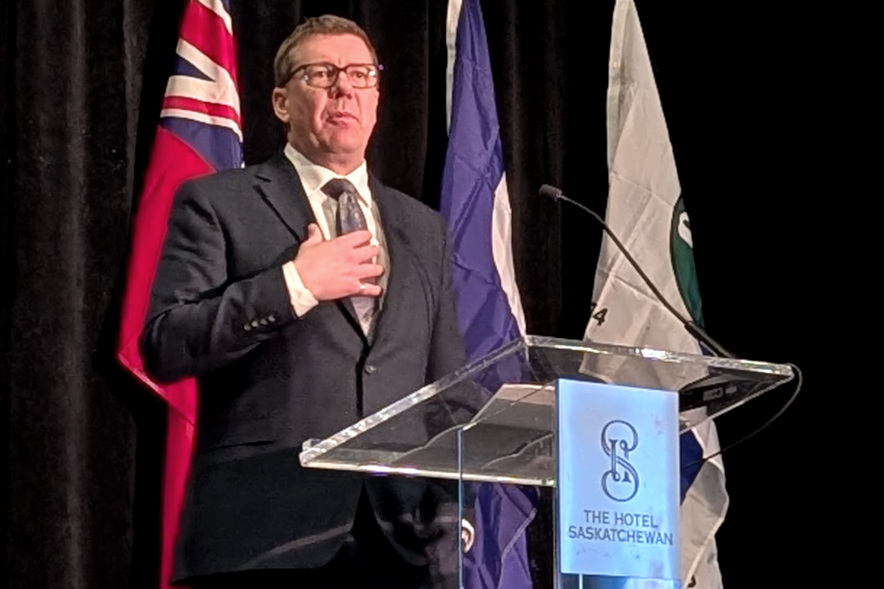
Premier Scott Moe was at those meetings as well. He said he’d agree with the prime minister’s thoughts on the issue.
“He would look to co-formulating, or, in collaboration, putting together a process, if it was necessary and if it was desired, to modernize The Indian Act,” said Moe.
He called it a fair discussion to have, though he said conversations about the proper process would need to happen before discussing modernization.
“This would be a significant undertaking in collaboration, this would be a significant undertaking in the effort by the federal government in modernizing The Indian Act,” explained the premier.
“But ultimately that’s a discussion that will be by the rights holders and the chiefs, not just in this province but across the nation, and it may very well be one that there isn’t agreement on, but it’s fair to have that discussion.”
Moe also spoke about the meetings on Monday, saying several times that they provided valuable engagement, and thanking the 20 to 30 Indigenous leaders who were part of it.
The Indian Act is the federal legislation which controls governance, rights, and the legal definition of Indigenous identity. It’s been criticized as being paternalistic, sexist and racist.




