


Sarah Mills: Critics don't define whether or not a movie is good
Filmmaker Taika Waititi has thrown a hissy fit on social media because critics don't like his movie, and neither do movi...
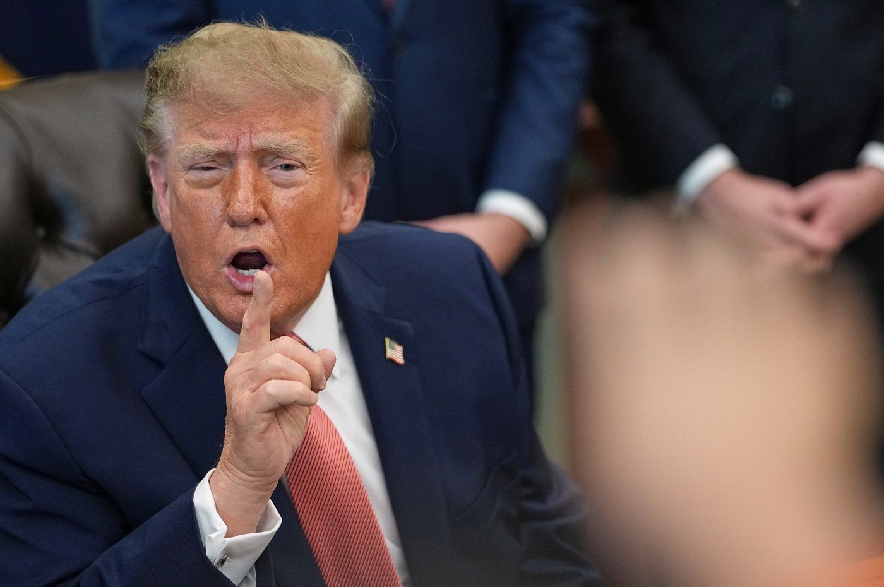
The balance of power in the United States appears to be shifting following the nation’s midterm elections.
On Wednesday, Americans awoke to learn that the Democrats had taken control of both the House and Senate, claiming full control of the U.S. Congress. The vote saw multiple Republican strongholds flip, with seats changing hands in Texas, Maine and South Carolina.
Read more:
Dave Levinthal, the senior editor at the Washington Sun, joined The Evan Bray Show on Wednesday morning to discuss the change in politics south of the border.
He said that while the polls may have been correct in their predictions, nobody could have predicted just how significant the shift would be.
“I don’t think anyone really thought that the Senate was going to go so hard in the direction of the left, of the blue, of the Democrats, as it ultimately did. The fact that we are talking this morning about Senate flips in states like Kansas and Iowa and Texas and South Carolina, if we were having this conversation a year ago, that would have been preposterous to suggest that not only all of those states, but really any of those states would have flipped in the fashion that they did,” he said.
“The bottom line is you could be looking at anywhere between 54 and 56 Democratic seats in the Senate. You need just a simple majority plus one to have a majority in the Senate. On the House side, it was just a complete ‘bluenami,’ as people are calling it, where we could be looking at basically anywhere between about 58 and 60 percent of the U.S. House of Representatives seats being controlled by Democrats.”
He said Republicans and the party’s supporters were not having a good morning on Wednesday.
While U.S. President Donald Trump may have lost control of both the House and Senate, he still holds the presidency and can continue to put legislation in motion or halt it with his presidential veto powers.
But Levinthal said the change opens a wide array of new opportunities for Democrats.
“What they now have, in both sides of Congress, is the ability to conduct investigations, to conduct oversight hearings, and yes, to potentially impeach Donald Trump for not a first time, second time, but a third time during his now six years in office in the White House,” he said.
“At least on the investigatory front, I mean, this is going to not just involve Donald Trump. It will likely involve his family members, his administration, and people who do business with him. They have been talking for months and months – Democrats, that is – about all the different things that they would like to do and investigate and dig into that they feel is untoward and potentially illegal and unethical that the Trump administration, in their estimation, has engaged in, and that basically goes from the Iran war on the most international affronts to things very much right here in Washington, D.C., which is Donald Trump putting his name on the Kennedy Art Centre (and) building a ballroom at the White House after tearing part of the White House down. The list goes on.”
While Democrats have taken control of Congress, it will still be a while before the new members officially assume their positions in January.