

Sarah Mills: Ending door-to-door is the future for Canada Post
Rural Sask. has picked up mail from shared mailboxes for decades. Now, it will be the same in some parts of in Regina an...
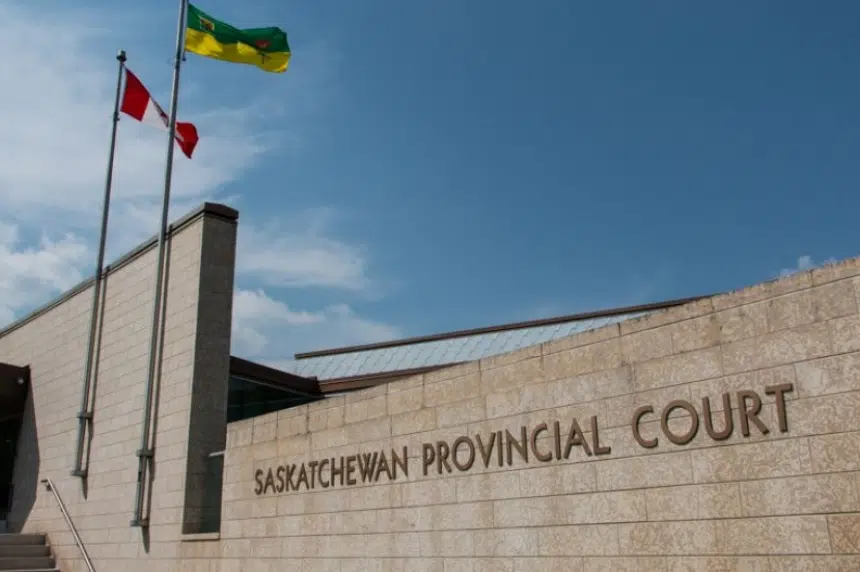
A local defence lawyer thinks the expansion of Saskatchewan’s civil forfeiture program is going to be bad for people in the province.
On Tuesday, an expansion of the civil forfeiture program was passed and is expected to get royal assent this month. Lawyer, Noah Evanchuck was never a fan of the civil forfeiture program, so he’s very critical of the expansion.
“I subscribe to the idea that you shouldn’t be able to seize people’s property without proof beyond a reasonable doubt,” explained Evanchuck.
A civil forfeiture proceeding is parallel but separate from any criminal charges, so even if the charges were stayed, withdrawn, or the person was found not guilty, the civil forfeiture proceeding could continue.
Evanchuck said civil forfeiture reverses the onus, making the person whose property it is, prove it shouldn’t be seized. He called it fundamentally unfair.
The changes expand the program to vehicle owners with a history of impaired driving suspensions, gang or terrorist activity involved prohibited or restricted firearms, and sexual offences.
The program will also now include property that was previously subject to a community safety order, which may not even involve criminal charges. That has local defence lawyer, Noah Evanchuck, concerned.
“People who are not wrapped up in any criminal activity whatsoever, but someone that they’re associated with is, and so they find themselves wrapped up in this Kafka-esque maw of civil forfeiture proceedings.”
Evanchuck said he’s seeing more civil forfeitures happen. He explained there aren’t a lot of grow ops in Regina since legalization, so you see the state taking cash or someone’s truck, which can compound the problems in someone’s life.
“I don’t know what social benefit we have to having that $500 F-150 where we have three lawyers working on a file, paid out by the Minister of Justice, to go through this whole rigmarole,” said Evanchuck.
Civil forfeiture proceedings aren’t eligible for legal aid, so a person would have to either represent themselves if they want their stuff back or hire a lawyer.
“As a criminal defence lawyer this is going to add a lot more money into my pocket, but it’s certainly not going to help the citizens of Saskatchewan,” said Evanchuck.
Evanchuck said defence lawyers should have been consulted in this case, he said no one consulted the bar at the committee level to see whether this was needed.
The Sask. NDP has similar concerns to Evanchuck’s about the expansion, saying forfeiture proceedings can have serious consequences and shouldn’t be taken lightly.
Corrections and Policing Minister, Christine Tell, defended the changes.
“There’s no need for anybody to be concerned, there are protections and safeguards that are built into this act, as have always been,” said Tell.
Tell said this is just an expansion of this program which has been in place for many years, and she asked if people have an issue, why are they bringing it up just now.
Tell tried to reassure critics, saying no property will be seized if it’s not the property of the alleged offender, and saying this was not done just to raise money.
“The issue that property can just be taken just because, is not what this is intended to do,” said Tell.
The money from seizures is used to fund victims’ programming and police initiatives. Tell said it will be a real bonus for them to be able to get the money, but only if it’s there to get.