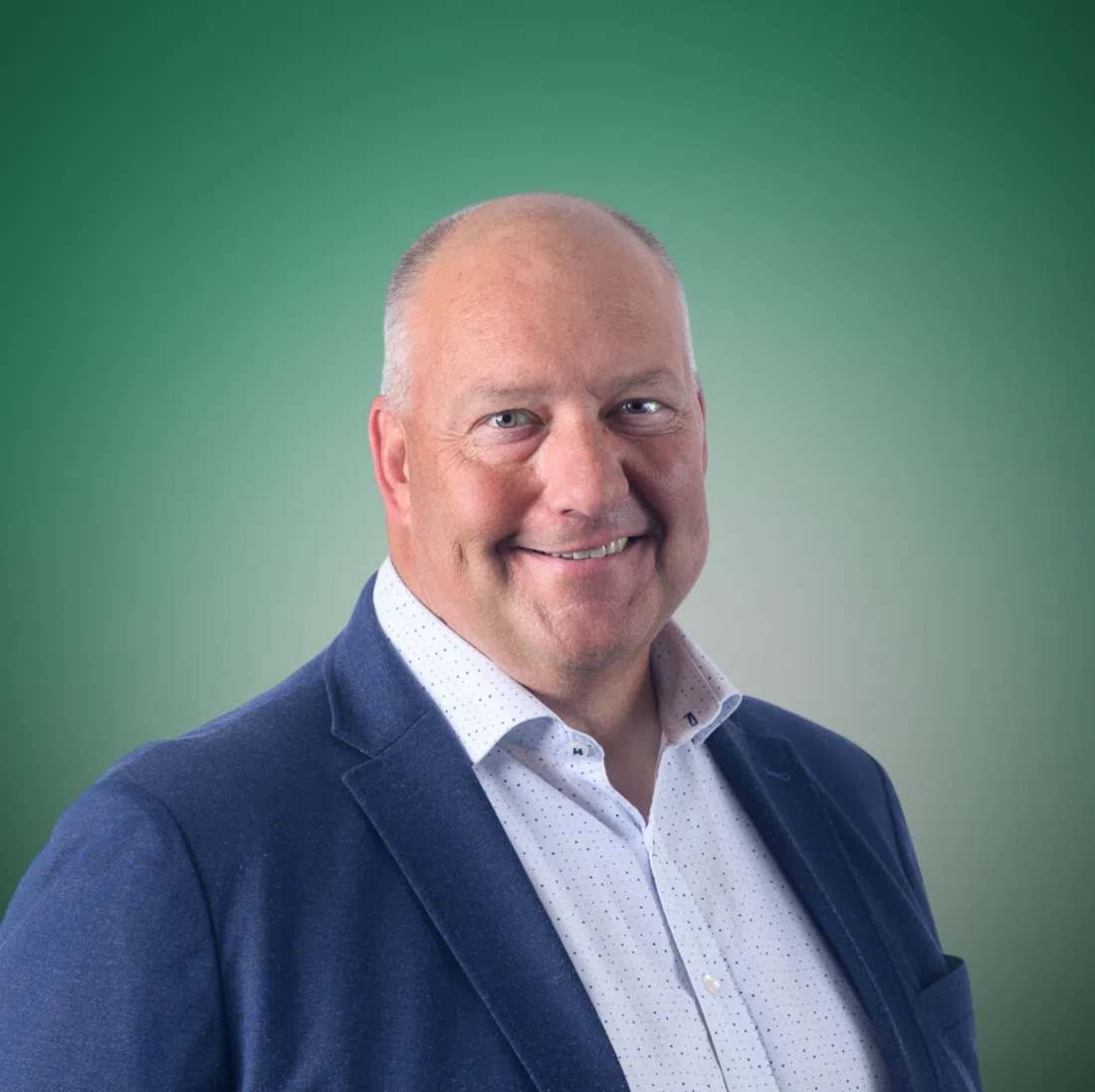


Murray Wood: Is it fake, or just stolen?
People looking for news on Facebook need to watch out for fake content. And even if it's true, it may have been stolen. ...
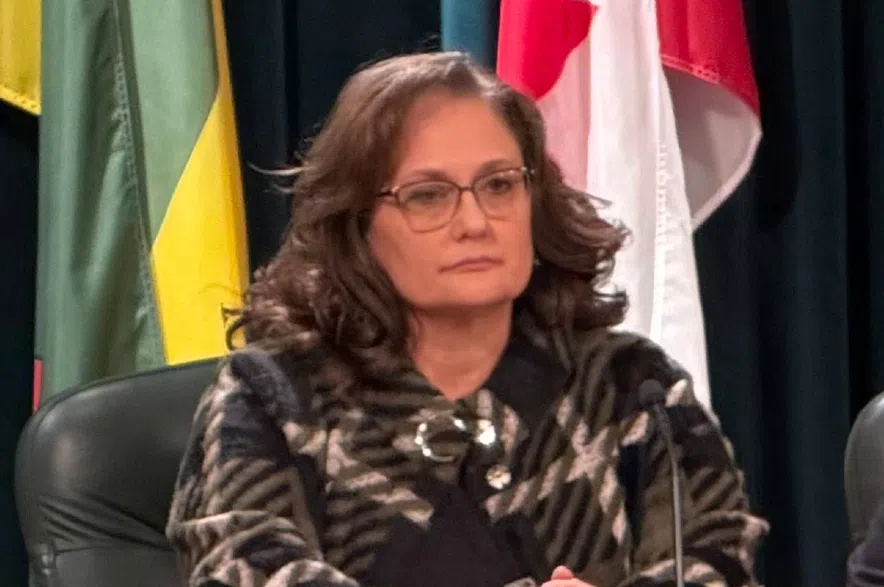
A Saskatchewan mother who lost her two sons to mental health and addictions is welcoming new legislation from the provincial government.
The Compassionate Intervention Act would allow for involuntary addictions treatment for those suffering from severe addictions.
Currently, addiction treatment in Saskatchewan requires voluntary participation, with the existing legislation not supporting addiction intervention.
Read more:
Angela McPhee is a Saskatchewan mother who has had to deal with addiction firsthand.
She lost her two sons to mental health and addiction, losing one in 2017 to suicide and the other in March to an overdose.
She said that she tried to do everything in her power to help her sons.
“I knocked (the door of) on every service I could. I went to court … but because he had addictions first, I was not able to qualify for anything,” she said.
“I went to crisis centres, they came into our home, they tried to help, the RCMP tried to help, addictions counselling of all kinds, mental health services of all kinds — there was nothing there to allow me to help my son,” she said.
McPhee said that when left alone, it is near impossible for someone to break free from addiction.
“I’ve seen on social media everyone says, ‘Oh, addiction is a choice,’” she said.
“I do not believe that nowadays. Our drugs are different and they’re deadly and they’re addictive. My son didn’t stand a chance.
“He was so mentally damaged, he didn’t understand he was dying.”
“Individuals struggling with addiction need our support on their path to recovery,” Lori Carr, Saskatchewan’s minister for mental health and addictions said on Friday.
“They need a safe space, support and compassionate intervention. We are focused on meaningful long-term recovery for Saskatchewan residents.”
According to the province, the new Recovery-Oriented System of Care would have strict criteria for entering someone into involuntary treatment.
The proposed model would allow families to request treatment for a loved one through the courts or allow law enforcement to intervene if a person’s substance abuse is threatening their own life or the lives of others.
People will only be put into care if brought in by a police or peace officer, when referred by a medical professional, or by a judge’s warrant.
“My son left journals, he was a beautiful writer, and he left journals. He wanted to live, he just didn’t know how to get there,” said McPhee.
The move by the province follows similar acts implemented by provinces like British Columbia and Alberta.
Tim McLeod, Saskatchewan’s justice minister said on Friday involuntary treatment is a similar approach to what’s already being done under the Mental Health Services Act, where people determined to be a risk to their own or others’ safety can get placed into involuntary care.
The difference here is that it’s a “result of complex addiction.”
Whether or not the panel decides someone needs go into involuntary treatment will depend on each individual situation.
There’s no defined time frame on how long a person could be in treatment, according to Carr, since some people “heal faster than others.”
If a person’s circumstances change, though, McLeod said the legislation will make it clear that the panel will need to reassess the person.
“They will be evaluated again, and at that point in time it would be determined, you know, are they going to move on to voluntary treatment? Are they ready to move on to a post treatment space?” Carr said.
McLeod also said once a person who was placed in involuntary treatment recovers the capacity to make a healthy choice, they’ll “no longer qualify under the criteria for this act.”
There’s no word yet on where the first involuntary treatment facility would be located or many beds it would have.
— with files by CJME News
Read more: