


Sarah Mills: Hasn't life become so complicated?
There are apps, reviews, recommendations and endless opinions about how to do everything correctly. Sarah Mills says tha...
Regina City Council narrowly passed the 2026-27 police budget as budget deliberations began on Monday, but many tough decisions still lie ahead.
Council will have to decide which programs and services to place on the chopping block as it faces a projected mill rate increase of 15.69 per cent and a funding deficit of more than $51 million.
Read more:
Representatives from the Regina Exhibition Association Ltd. (REAL) came to council with a $10.8 million budget request on Monday, down from last year’s request of 11.2 million.
Board chair Jaime Boldt told council the association has been working hard to restore community trust and improve its long-term financial sustainability.
Boldt said the past year has been marked by very “difficult” and “uncomfortable” decisions, but REAL has nonetheless achieved many successes. REAL decided to reduce its budget ask for 2026 as a result of those successes, Boldt said, adding that the association is forecasting even more reductions in 2027 driven by stronger oversight and a clearer focus on its responsibilities.
Acting president Trent Fraser said the REAL District is the largest interconnected event facility in Canada, which is a huge selling point.
But while the association reduced its request from Regina council, Boldt noted that REAL is aggressively seeking $2.6 million in provincial funding.
The delegates said further reductions wouldn’t jeopardize finalized deals for events that REAL already has planned next year, but might hamstring its ability to plan more events in the future.
The Provincial Capital Commission – the governing body of Regina’s Wascana Centre – is requesting status-quo funding of $2.71 million from the city for 2026 and 2027 to support its operations and capital infrastructure.
Funding for the commission is split between the province (55 per cent), the City of Regina (30 per cent) and the University of Regina (15 per cent) under the Provincial Capital Commission Act.
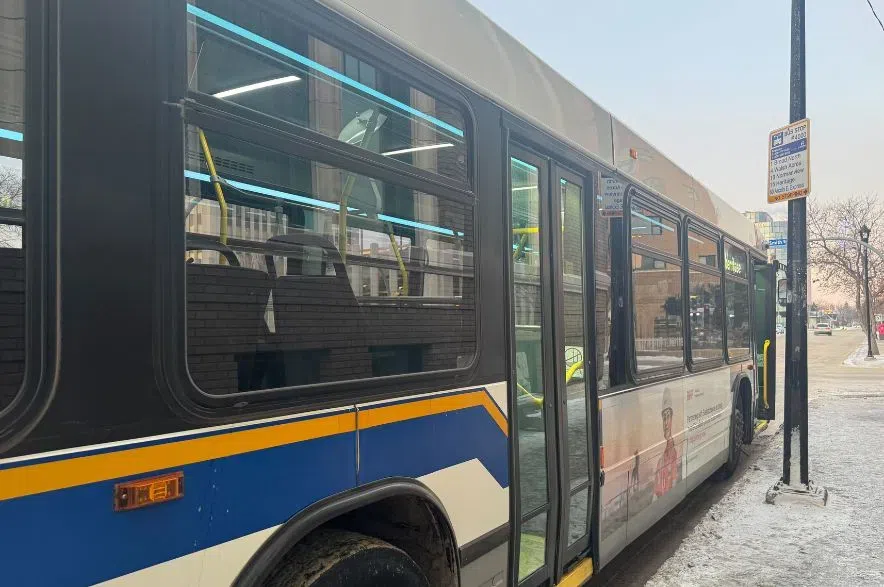
To address the deficit and lower the mill rate, some of the transit budget options outlined by city administration include stopping transit and para-transit service at 10:30 p.m., not expanding service and not running transit services on statutory holidays.
“The lack of funding for public transit doesn’t just mean fewer buses or longer waits. It directly affects people who rely on every dollar, especially those who are living on minimum wage or those who are newcomers to Canada,” said Terri Sleeva, a representative with the Regina Citizens Public Transit Coalition.
“When transit service is infrequent, unreliable or too expensive, low-income workers and students face barriers to getting to jobs on time, going to school, accessing health care, buying groceries or participating fully in their community.”
Sleeva said when public transit is adequately funded the benefits ripple outward and can help break cycles of poverty.
Last week, transit workers in Regina voted in favour of a strike mandate, saying the city’s budget plan threatens jobs and creates risks for workers, while wages have not kept up with the cost of living.
Delegates from the Heritage Community Association, the Al Ritchie Community Association, Creative City Centre and New Dance Horizons are all scheduled to speak to council on Tuesday.
Many of the submissions are asking for council to spare their respective organizations and programs from potential budget cuts, as many receive funding through the city’s Community Investments Grant Program.
More to come.