


Evan Bray: Looking back on 9/11 a quarter century later
On the 25th anniversary of the 9/11 terrorist attacks in the United States, Evan Bray is remembering his own experience ...
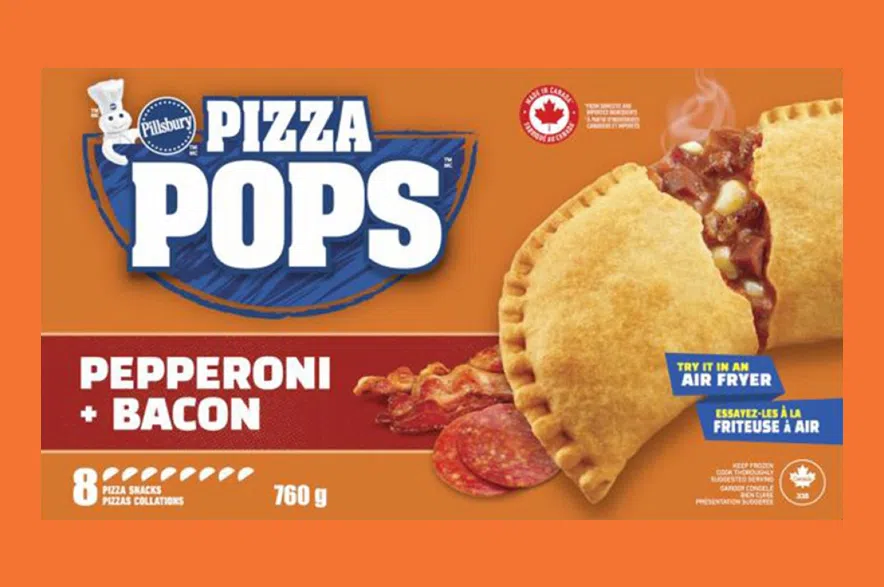
Five snackers who have eaten recalled Pizza Pops in Saskatchewan are among the 20 people who have been made sick and four hospitalized after an outbreak of E. coli infections linked to the Pillsbury brand product.
The Canadian Food Inspection Agency (CFIA) says says those who became ill range in age from one to 87 and live in B.C., Alberta, Ontario and New Brunswick as well as Saskatchewan.
A national recall was announced on Sunday for Pizza Pops pepperoni and bacon pizza snacks sold in 760-gram and 2.85-kilogram packages, with best-before dates of June 9 and 10, 2026, are affected.
It includes Pizza Pops Supremo Extreme pepperoni and bacon snacks in three-kilogram boxes with best-before dates between June 10 and 12, and Pizza Pops Frank’s RedHot Pepperoni and Bacon sold in 380-gram packages with a best-before date of June 14.
General Mills has said that it is a voluntary recall and other Pillsbury Pizza Pops products are not affected.
Health Canada says food contaminated with E. coli may not look or smell spoiled but can still make people sick.
E. coli infections are bacterial illnesses that can affect anyone exposed to a contaminated food product, the federal health agency says.
People who are infected with E. coli bacteria can spread the bacteria to other people several days to several weeks after they have become infected, even if they don’t have symptoms.
E. coli infections have a wide range of symptoms. People may not get sick at all but if they do get sick, symptoms usually start within one to 10 days after exposure to E. coli bacteria.
People may experience:
Most people who become ill from an E. coli infection will recover fully after a few days without treatment, but infection can also cause severe illness and hospitalization.
Those at higher risk for serious illness include:
Health Canada says people should check to see if they have the recalled products and not consume, serve, use, sell or distribute them.
If you find a recalled product it says to throw out or return it to the place of purchase.
People should also clean and sanitize all surfaces and storage areas that recalled products may have come in contact with, including countertops, containers, utensils, freezers, and refrigerators.
The agency says if people have been diagnosed with an E. coli infection or have symptoms of infection such as diarrhea, they should not cook food for other people.
— with files by CKOM News