Evan Bray: Diversifying trade doesn't mean abandoning U.S. relationship
Evan Bray says there's nothing wrong with Canada looking for new trade partnerships, but the idea of joining the Europea...
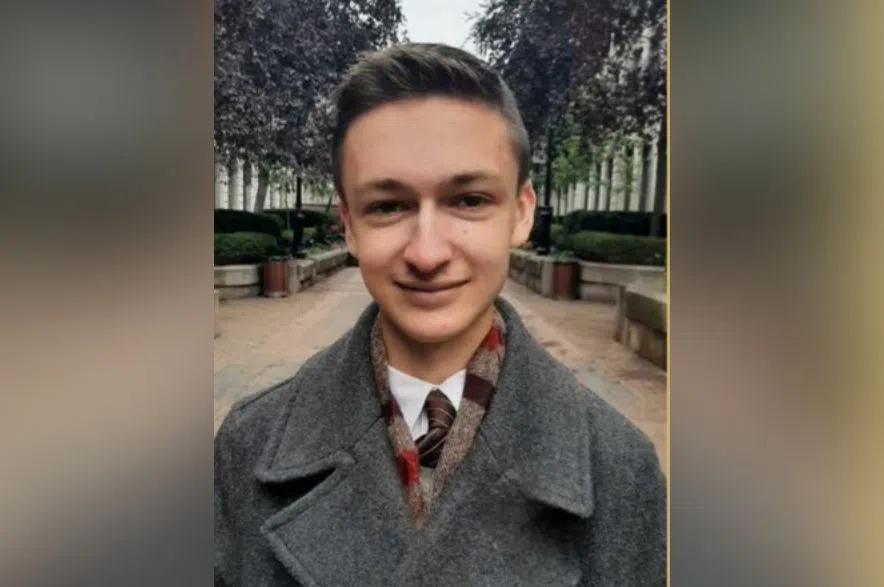
The new year is bringing a major reset in student representation at the University of Regina, as a newly formed student group moves to take over the role once held by the now-dissolved University of Regina Students’ Union (URSU).
The University of Regina Students Association (URSA) was formed by a coalition of campus clubs and associations, which said trust in URSA had collapsed after months of a financial and governance controversy.
Read more:
Interim President Matthew McStravick said the new organization forms as “a group of groups” that began working together after student leaders compared notes and realized they shared the same frustrations.
“We came about as a sort of group of groups looking to address some of the problems on campus in light of the situation with URSU,” McStravick said in an interview. He said student groups had raised concerns about “lack of transparency” and “what was going on with students’ money,” adding that accountability in URSU’s finances had been a long-running issue.
URSU’s troubles accelerated in 2025 after the university terminated its fee collection agreement with the union, saying it had lost confidence in URSU’s ability to manage student fees, and terminated its administration lead agreement with URSU, forcing the union out of its campus space.
In October, URSU members voted in an online-only special general meeting to dissolve the union, a process that drew criticism from students who said access and participation were unfair, with some alleging they could not get into the meeting to vote.
With URSU gone, URSA campaigned for a new structure that it said would put checks and balances at the centre of student governance.
The group pointed to a “General Council” model – a large representative body meant to include ratified student groups and faculty representation, and a six-member Board of Trustees with students, alumni and community members to provide financial oversight.
URSA later won an independent referendum, 442 votes in favour and 42 against, roughly 91 percent support. McStravick said the next steps include finalizing incorporation, filling seats on the new governing bodies, and beginning negotiations with the university over returning student-controlled funding and space.
He said URSA also plans to move quickly toward the March elections, and that the interim team would not run. “The interim team is disqualified from the elections in March,” he said, adding that URSA wanted an independent chief returning officer to avoid the perception that insiders are controlling the outcome.
URSA’s website states that interim executives received no salary or honorarium and are not eligible for re-election during the next regular voting period.
– with files from 980 CJME’s Lisa Schick and Nicole Garn