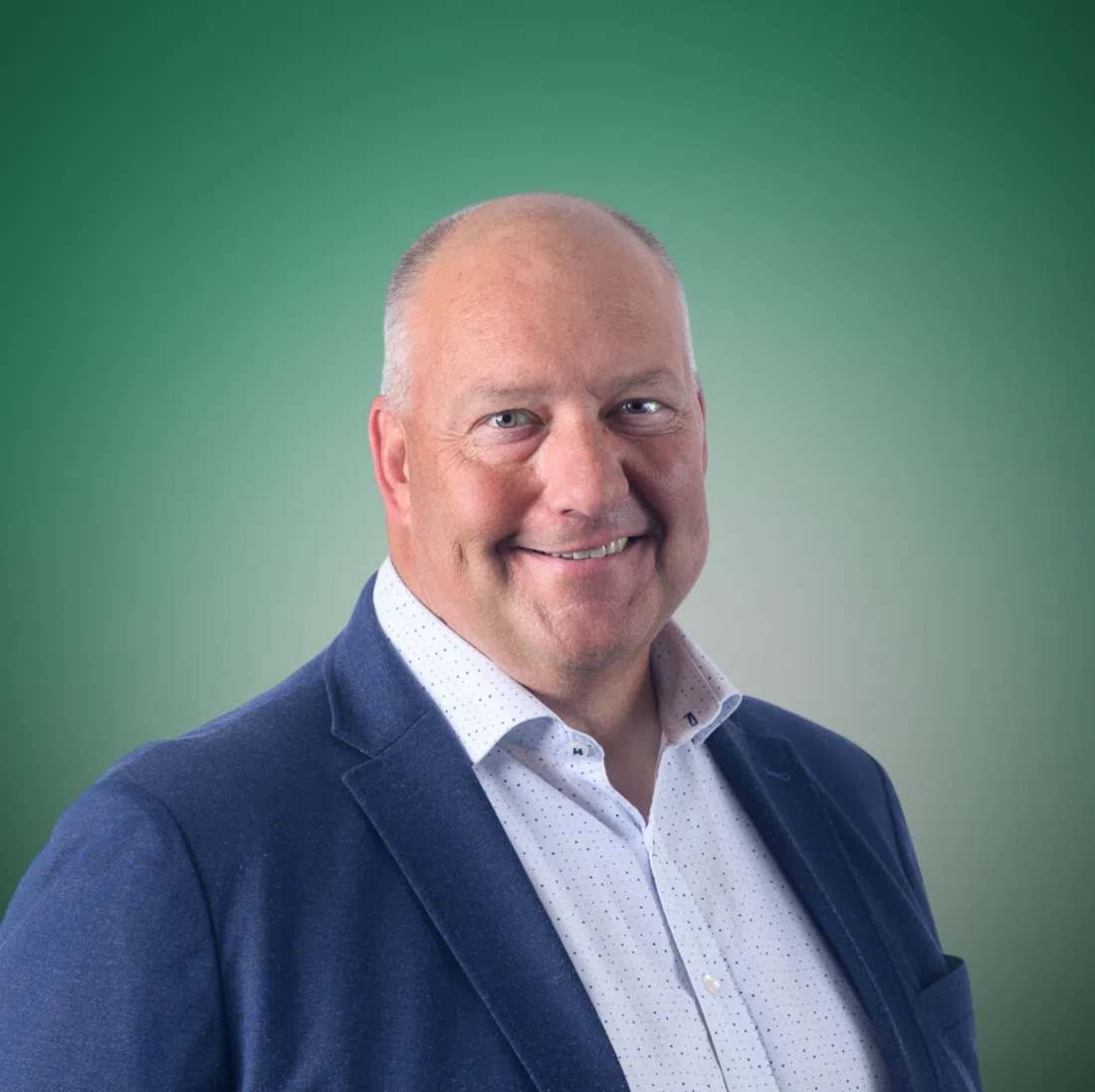


Murray Wood: Who's hot... and who's not
Every Friday, Murray Wood takes a look at the week's news and decides who's hot... and who's not. This week's list inclu...

A new piece of equipment will help the Swift Current Municipal RCMP focus on catching drivers impaired by THC and cocaine.
The RCMP has purchased a Dräger DrugTest 5000, which tests oral fluid samples for THC and cocaine.
Read more:
“What we see here locally is that almost a third of our impaired drivers that we come into contact with are impaired by some form of drug,” said Swift Current RCMP staff sergeant Evan Gordon.
“That’s before we even got this instrument out on the road. I fully anticipate that within the next calendar year we’ll likely see that number increase. We may even see drug-impaired driving overtake alcohol-impaired driving within Swift Current. Not that it wasn’t happening before, but just because we’re better able to detect it here in town.”
Once an officer has a reasonable suspicion to believe an individual has a degree of THC or cocaine in their body, the RCMP said officers can read an oral fluid demand to then administer the test.
“The oral fluid swab is collected from the driver’s saliva,” said constable Dani Zaya. “It’s essentially placed into this equipment, and it runs its test. It will detect THC and cocaine as a positive or negative result. You’re considered impaired under the Criminal Code if you have over five nanograms of THC per 100 millilitres of blood. This is testing at five times that limit. Then, for cocaine, it’s testing at a lower level. Any detection is what can be considered impairment under the criminal code with cocaine.”
If you have any doubt about your level of impairment, Gordon suggested removing the guesswork.
“If you’re using any sort of substance that can impair your ability to drive a motor vehicle, don’t even take that risk,” Gordon said.
“Don’t drive. Different substances vary so greatly. That’s why you see there’s a limit for alcohol. There’s a limit for cannabis. The limit for cocaine is zero tolerance. We’re not at the point with research and studies and evidence to always be able to provide a base threshold or a minimum. Sometimes that minimum is just zero, so best to apply that across the board for safety’s sake.”
The Swift Current detachment hasn’t always had staff who had the necessary training to utilise the machine.
“You have to be trained in operating this equipment,” Zaya said. “You have to have your standard field sobriety test training, then you have training on the Dräger itself. You receive certificates with it. Once you have that training, you’re able to operate it. There’s other members at the detachment that will be able to use it, as they’re also standard field sobriety testers.”
Local RCMP have been using the new piece of equipment for two weeks now. Officers have previously occasionally borrowed one and used it in partnership with the Saskatchewan Highway Patrol. The tests resulted in about five licence suspensions over the Christmas season.
There are additional tests a suspect would go through at the detachment before facing criminal charges.
“There is more specific testing for drug-impaired driving,” Gordon said. “However, it’s reliant on trained experts and not actual instruments. Constable Zaya is recognized as a drug recognition expert in the province, and so he is able to make those determinations. Part of that does involve clinical testing, so there are blood demands, urine demands that come with those, and then further clinical testing of those substances.”
He noted they could potentially purchase additional Dräger units when more officers are trained on them, though they are expensive units. They are listed online for over $6,000.
Both officers requested the public’s assistance in curtailing impaired driving.
“We all have a responsibility in keeping our roads safe,” Zaya said.
“If you suspect an impaired driver, pull over, call 9-1-1 and report it to us. Grab the description of the vehicle. If you can grab a plate, people that are driving, that’s great. Just let us know. We all have that responsibility in keeping our roadways safe. We all have families that are on Saskatchewan roads.”