


Murray Wood: Is it fake, or just stolen?
People looking for news on Facebook need to watch out for fake content. And even if it's true, it may have been stolen. ...
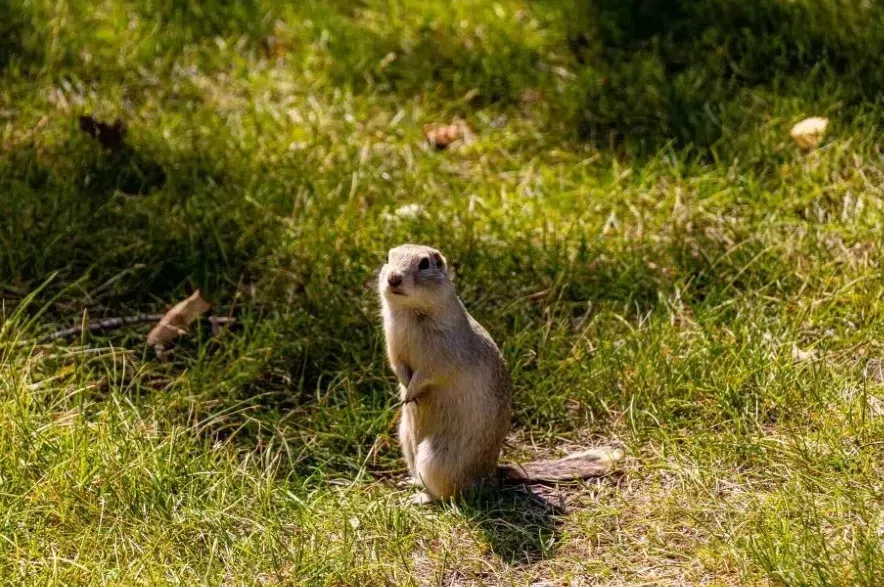
Saskatchewan farmers will need to use methods other than strychnine to control the population of gophers during the 2026 growing season.
According to the Saskatchewan Ministry of Agriculture, Health Canada’s Pest Management Regulatory Agency (PMRA) has denied a joint emergency use request by Alberta and Saskatchewan that would have allowed farmers to use two per cent liquid strychnine to help manage Richardson’s ground squirrels – commonly referred to as gophers – in 2026. A federal ban on the pesticide has been in effect since September of 2024.
Read more:
“Saskatchewan producers have been clear about the challenges they face in managing Richardson’s ground squirrels with the limited tools available,” David Marit, Saskatchewan’s agriculture minister, said in a statement.
“We are extremely disappointed by PMRA’s decision and ask them to reconsider this decision. We need a federal regulatory system that considers economic impacts felt by producers and the realities on the ground.”
In a previous interview, James Husband, reeve of the RM of Hazelwood, explained the extent of the damage that gophers are causing on some Saskatchewan farms.
“We’ve faced extensive crop and pasture damage,” Husband said. “Since strychnine was banned, the problem’s only grown. The new options don’t work; the old product, used right, was extremely effective.”
“Gophers are a destructive pest,” added Larry Grant, reeve of Val Marie.
“They eat crops, they eat grass, and when you get badgers going after them, they can wreck equipment. The most reliable and safest way to control them was strychnine; now we don’t have a product that really works.”
The provincial ministry said its emergency use request “included robust, science-based and strengthened mitigation methods—such as narrower application windows, mandatory training, enhanced reporting requirements and improved stewardship” in order to reduce the risks to other species while preserving the practical value of strychnine for farmers.
“While PMRA determined these measures were not sufficient to mitigate risk to an acceptable level, Saskatchewan remains adamant that all PMRA’s requests were responded to,” the ministry explained.
“Saskatchewan will need to pivot efforts in supporting producers with the management of this important pest through the implementation of a Richardson’s ground squirrel management strategy.”
The ministry said its management strategy will include continued advocacy with the federal government, support programs delivered through the Saskatchewan Association of Rural Municipalities’ Gopher Control Program, efforts to improve the performance of registered alternatives to strychnine, and investments in research on management practices, mitigating environmental risk, population monitoring and the creation of predictive models.
–with files from 980 CJME’s Jacob Bamhour