


Murray Wood: Who's hot... and who's not
Every Friday, Murray Wood takes a look back at the week's news and decides who's hot... and who's not. This week's list ...
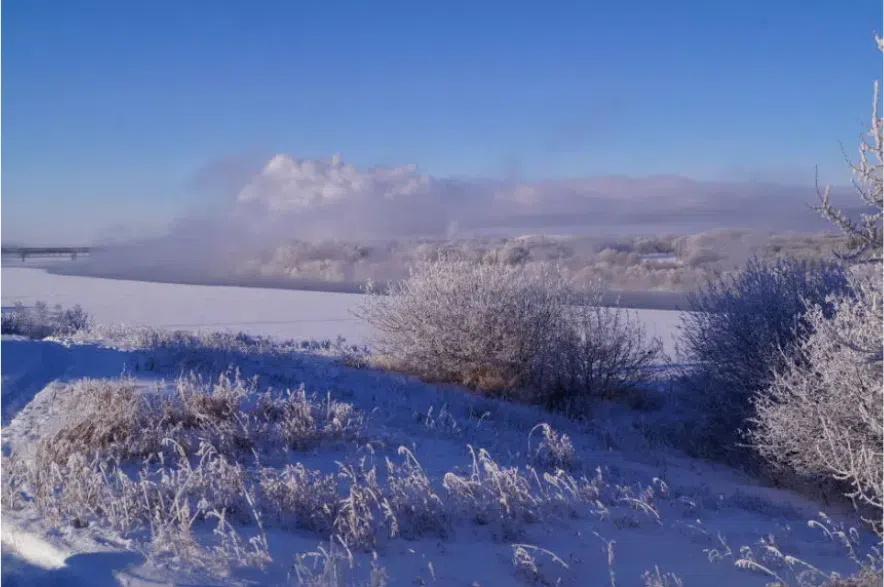
A mid-winter warm-up across southern Saskatchewan is bringing a break from bitter cold, but a corporate agronomist say it won’t do much to improve soil moisture – especially in areas that went into freeze-up dry and have seen little snow since.
Blake Weiseth, a corporate agronomist with Western Ag, said farmers should take the warm temperatures as a generally positive change, but not mistake it for meaningful moisture recovery.
Read more:
“If you had dry conditions going into the fall and maybe little snow now, certainly some concern about drought conditions persisting into the spring,” Weiseth said.
He pointed to the Canadian Drought Monitor, produced by Agriculture and Agri-Food Canada, which he said showed parts of southwest Saskatchewan rated as abnormally dry, while west-central Saskatchewan was listed in moderate drought on the map produced Dec. 31, 2025.
Weiseth said the challenge isn’t just how warm it gets, it’s how that warmth interacts with frozen ground and limited snowpack.
Even where snow does melt during short warm spells, he said it often doesn’t soak into the soil because the ground remains frozen below the surface.
“While the air temperature might have got to, let’s say, 10 C or more, it wouldn’t be too far deep into the soil where you’re still having frozen conditions,” he said.
That means runoff can become a bigger factor than infiltration, depending on how the thaw-and-freeze cycle plays out.
“If that snow melted and then refroze, what we can have is a layer of ice basically covering the soil surface,” Weiseth said. If that happens, he said, later snowmelt in March or April may struggle to penetrate the ground.
“That layer of ice may not allow some of that meltwater to actually infiltrate, to soak into the soil, and it might, instead, run off across the soil surface,” he said.
Weiseth said conditions vary widely across Saskatchewan and the snow story isn’t the same everywhere. He said he had heard the northeast had seen more snow, while “in the southeast and some of the southwest areas, relatively little, or maybe no snow at all.”
He also noted some farmers got a major boost before freeze-up, while others didn’t.
“I was just speaking with a farmer from the southeast part of the province, they did get about a four to five inch rain event in the fall prior to freeze up,” Weiseth said, calling that “very fortunate” for rebuilding soil moisture. But he said areas that stayed dry into fall and then missed out on snow are still vulnerable as spring approaches.
Still, Weiseth said the story isn’t finished and could change quickly with the right spring pattern.
“There’s still a lot of winter left,” he said, adding that drier regions could still pick up snow in February or March. And if spring rains arrive, that can reshape the outlook. “That can all change very quickly, too, if you do get spring rains in April, May as well,” Weiseth said.