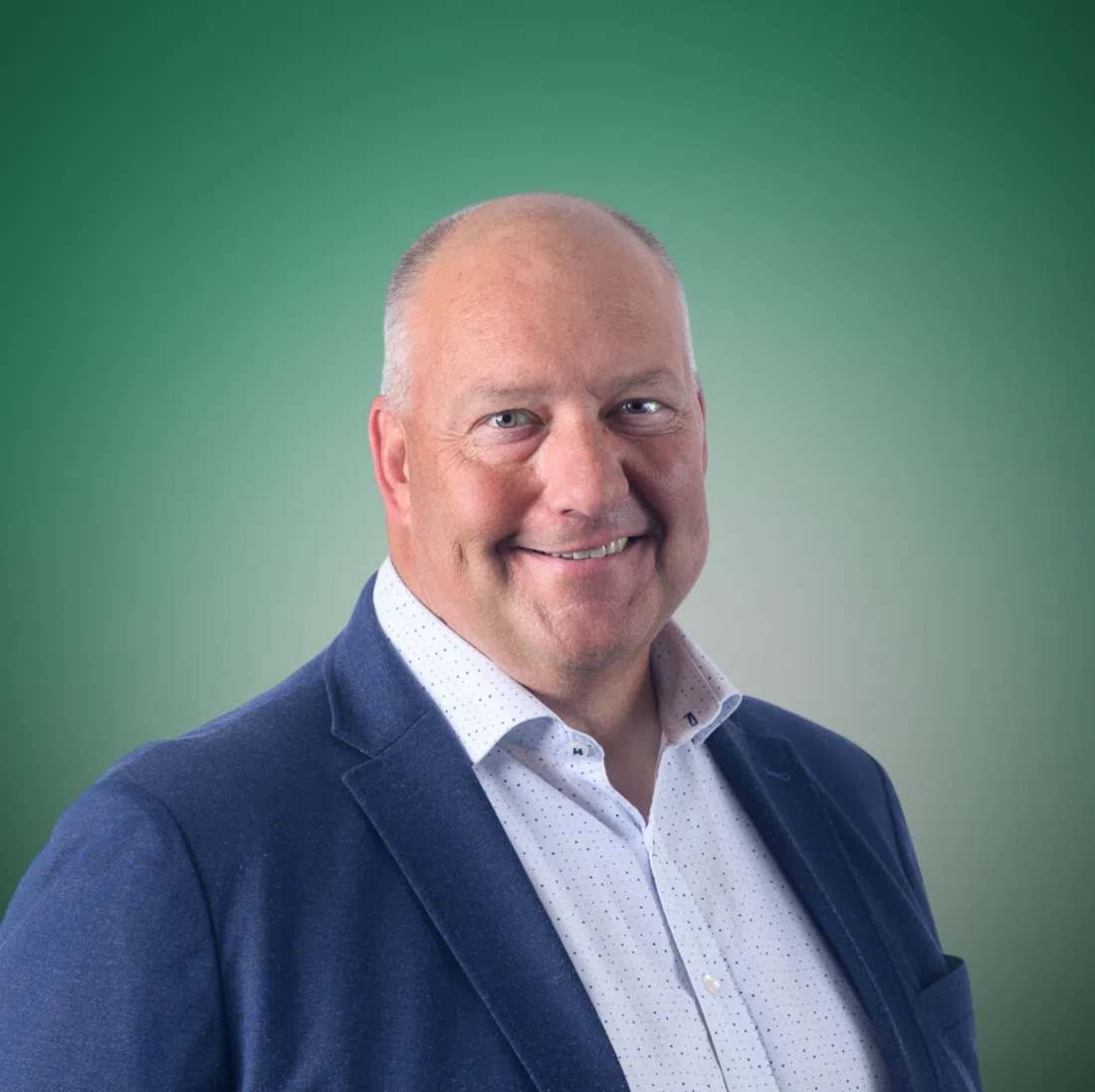


Murray Wood: Who's hot... and who's not
Every Friday, Murray Wood takes a look back at the week's news and decides who's hot... and who's not. This week's list ...

Refugees, protected persons or asylum seekers in Canada will soon have to pay a portion of their medication costs.
Saskatoon doctor Cassandra Pancyr said upcoming changes to federal health insurance could be detrimental for people who are Interim Federal Health Program beneficiaries.
Starting May 1, people under that federal program will be required to pay a $4 co-payment for each eligible prescription medication. They will also be responsible for 30 per cent of the cost of other eligible services such as dental, vision care and counselling.
Read more:
According to the federal government, the program helps refugees, asylum claimants and other newcomers who don’t yet qualify for provincial or territorial health insurance when they arrive in Canada.
Pancyr, a family physician at Saskatoon Community Clinic, said the changes concern her greatly, as the program helps 25,000 people annually in Canada.
“We have many patients with complex medical issues, things that absolutely require medication to prevent hospitalization, death and injury,” she said, pointing to patients with epilepsy, diabetes and cardiac issues.
“A lot of people know that a person with diabetes often needs at least four medications,” Pancyr said. “They might need multiple and so this could add up to more than $30 a month for patients.”
Pancyr said an extra $30 per month can be extremely difficult for an individual who is already “living by the skin of their teeth.
“These are not people who chose to come here. They are fleeing a dire situation in their country. They have no protection from their government. They have no services that they bring with them,” Pancyr said.
Pancyr also expressed concerns about a possible shift in people accessing services, pointing to longer wait times for public services such as physiotherapy.
She urged the federal government to consider the outcomes of changing the Interim Federal Health Program, stating the services it provides are necessary for refugees
“I don’t think that these cuts make sense financially,” she said. “I think it would be best for Canada and for the newcomers if the changes went back to what they were before.”
According to a statement from the federal government, the introduction of co-payments for supplemental health products and services is to help manage growing demand and to keep the program sustainable over time.
“Basic health benefits, including physician and hospital services, vaccinations, laboratory and diagnostic tests and ambulance services will remain fully covered at no cost to beneficiaries,” the statement said.
“This approach will allow the government to continue supporting eligible beneficiaries while keeping the program fair and consistent with other publicly funded health insurance programs that provide supplemental benefits, including those available to many social assistance recipients.”
According to Immigration, Refugees and Citizenship Canada’s preliminary estimates, the program’s changes could result in around $126.8 million in savings in 2026-2027 and $231.9 million going forward.
Editor’s Note: This story has been updated to correct an error. A previous version said the Interim Federal Health Program helps 25,000 people in Saskatoon annually. In fact, the program helps about 25,000 across Canada each year and about 300 in Saskatoon.