


Evan Bray: What would 'associate' EU membership mean for Canada?
There's been a lot of talk about Canada possibly becoming an "associate member" of the European Union. Evan Br...
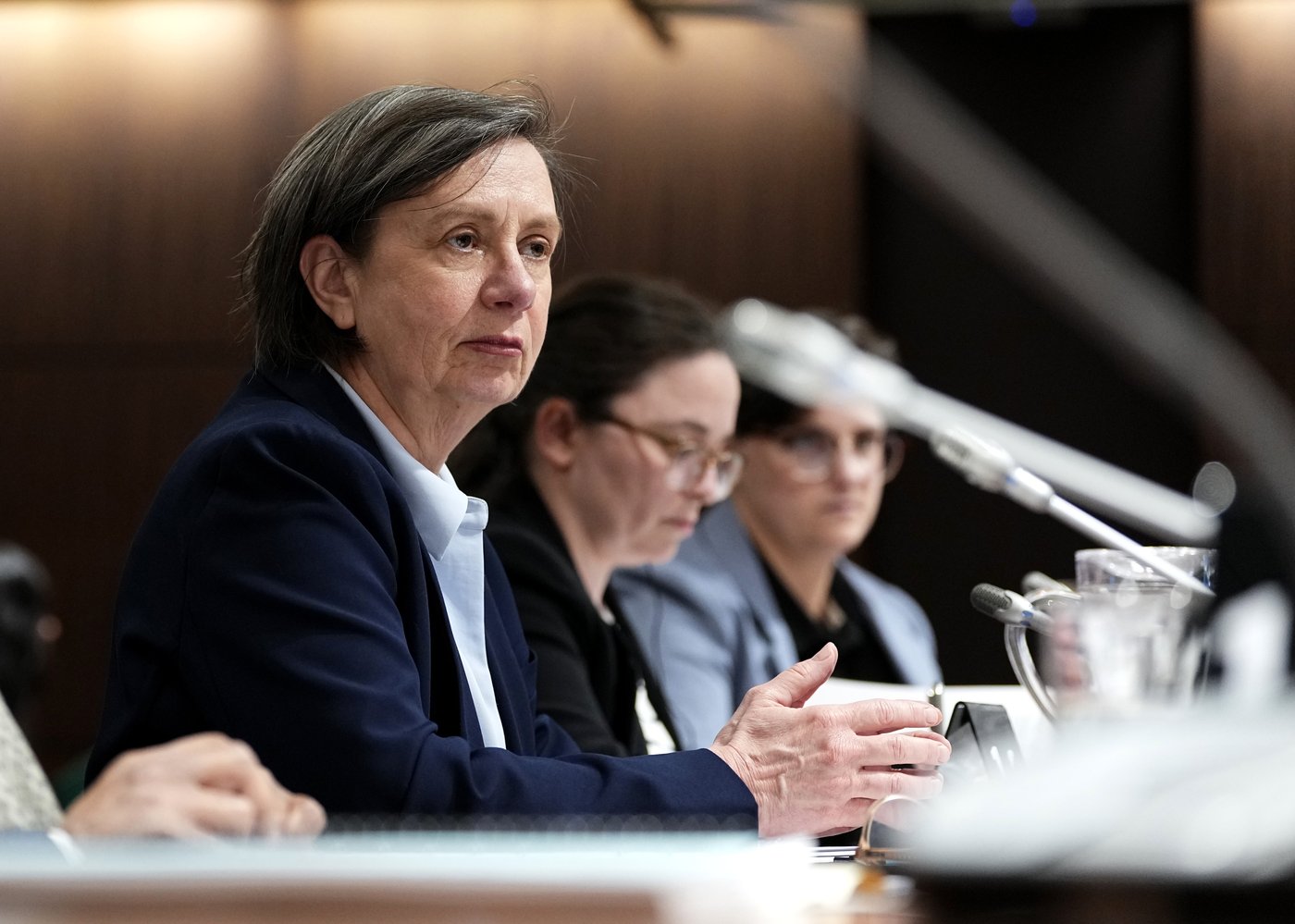
OTTAWA — Ottawa’s fiscal watchdog says a surge in inflation a few years back drove a substantial jump in the cost of delivering the Canada Child Benefit after the pandemic.
The new report from parliamentary budget officer Annette Ryan also suggests most of those benefiting from the increased payout were not among Canada’s lowest-income households.
The Office of the Parliamentary Budget Officer said in a report Thursday that the cost of delivering the federal payment to families increased $4.2 billion between the 2022-23 and 2024-25 benefit years.
That increase — which amounts to more than 16 per cent — brought the total payout for the Canada Child Benefit to $29.2 billion in 2024-25.
The budget office said the increase over those two years outpaced the higher costs during the COVID-19 pandemic, when the benefit was given temporary boosts to help families cope with economic uncertainty.
The average annual payment of the Canada Child Benefit rose to $7,700 over this period, up from $6,700 previously.
Like most federal support programs, the Canada Child Benefit is indexed annually to inflation. Statistics Canada reported that inflation hit a nearly 40-year high of 8.1 per cent in June 2022.
The PBO said more than two-thirds of the increase observed over the two-year period tracked in the report was part of this catch-up to inflation.
The child benefit is income tested and targeted at low- and medium-income households with children, and therefore costs can also rise when families fall behind economically.
The PBO report estimates that a quarter of the recent hike in benefits was tied to eligible households’ incomes not keeping up with inflation during the period.
The budget office meanwhile estimates that households with an annual income of $50,000 or more accounted for 70 per cent of Canada Child Benefit recipients in 2024-25, and received a total payout of $14.7 billion that year.
Households making less than $50,000 per year accounted for 40 per cent of the increased payments between 2022-23 and 2024-25, the PBO noted.
A more modest part of the increased benefit was tied to the rapid pace of immigration over those years. A higher population of families with children under the age of 18 meant more households were eligible for the payout, the PBO said.
The PBO estimates the number of families receiving the child benefit rose to 3.8 million in 2024-25, up from 3.7 million two years earlier.
The federal government has since moved to curb the pace of immigration. The budget office estimates this means the number of recipients of the Canada Child Benefit peaked in 2025-26.
The PBO expects the child benefit cost rose 4.5 per cent to $30.5 billion in 2025-26.
With inflation and demographic pressures cooling sharply, the PBO projects that growth in the cost of delivering children’s’ benefits will “moderate considerably” to 2.5 per cent in the 2026-27 benefit year and continue declining in the years to come.
By 2030-31, the PBO projects the total expenses of delivering the benefits will rise to $33 billion.
This report by The Canadian Press was first published Sept. 17, 2026.
Craig Lord, The Canadian Press