Murray Wood: 'One of the worst' should be on hats and T-shirts in Canada
U.S. President Donald Trump called Canada "one of the worst" this week, saying that soon we will come to him t...
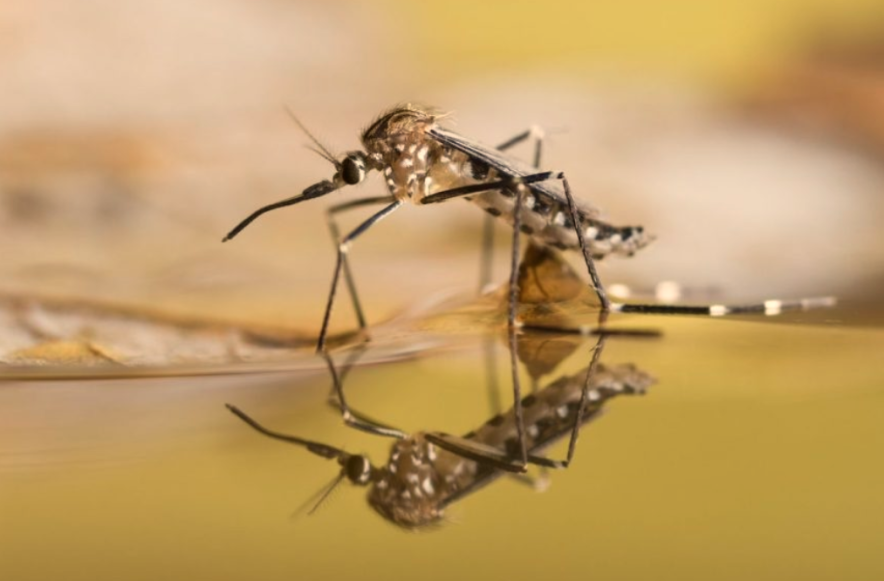
The biggest challenge on the turf this football season isn’t the speedy running back or an immovable lineman.
It’s the mosquitoes.
Mike Thomas, executive director of Football Saskatchewan, said the blood-sucking bugs are eating football players and fans alive in the Regina area.
Read more:
“The mosquitoes are relentless,” he said. “It seems as though it’s the summer all over again, late in the fall.”
The late-season resurgence in mosquito populations is due to a wet season, which left lots of standing water in Regina, according to the city.
Thomas said many stores had already shifted away from summer items like bug spray by the time the second round of mosquitoes arrived.
“They’re in abundance,” he said. “Way more than what we’re used to at this time of year.”
The extra bugs annoy players, but Thomas said they won’t cause outdoor game or practice cancellations.
“It hasn’t prohibited us from continuing to play,” he said. “It’s just been more of a nuisance of having those things buzzing around you, or landing on you, slapping your arm or leg all the time.”
Ashley Thompson, manager of parks technical services with the City of Regina, said she couldn’t put an exact number on how many more mosquitoes are flying around because the city’s mosquito control program ended back on Sept. 11.
“We haven’t had our monitoring program going, so we can’t confirm for sure,” she said. “But yeah, it seems to be higher than it normally would at this time of year.”
Thompson said an average of seven mosquitoes were caught per trap at last count during the week of Sept. 7. The city previously collected 2,000 mosquitoes from the traps over just two days in mid-July.
Sean Prager, an insect researcher with the University of Saskatchewan, called it the worst mosquito season in a decade.
Thompson said the wet summer and a warm start to fall have created the “perfect storm” for breeding mosquitoes.
“When the temperatures aren’t quite as warm, they can survive as larvae in the water for a period of time, and so their development will just slow down,” she said. “But they can still become adults once the temperatures kind of warm back up again.”
Thompson said the city won’t be spraying parks or other public areas, as the mosquito monitoring program has already wrapped up for the season, but she noted that she expects the latest burst of blood-sucking bugs to be short-lived.
“The nights and the mornings are getting quite cool now, so that should help for sure,” she said.
“They won’t survive. Their lifespan isn’t very long, so we should see the population die off pretty quick here.”