


Murray Wood: Who's hot... and who's not
Every Friday, Murray Wood takes a look back at the week's news and decides who's hot... and who's not. This week's list ...
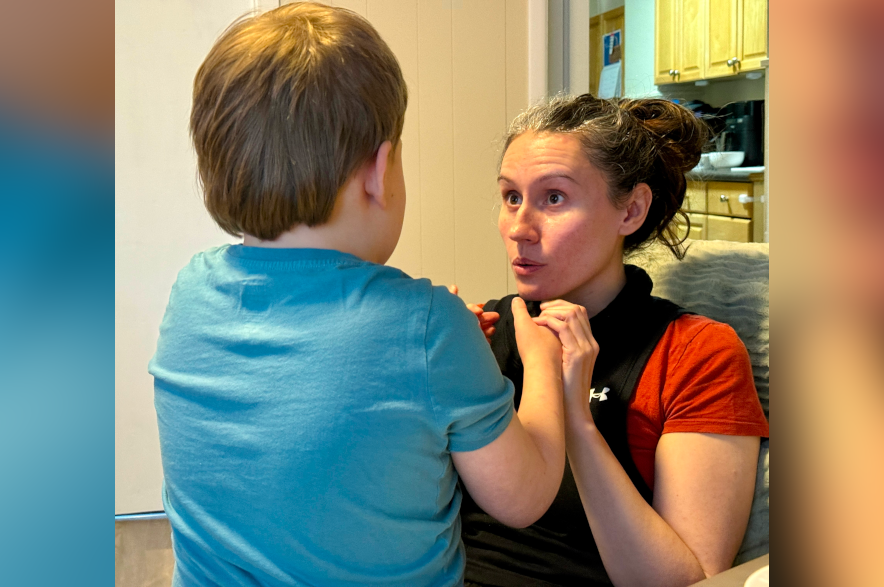
In Vanessa Rodriguez’s son’s bedroom, there’s a sensory fish tank, a swing in the closet doorway, a sensory toy station on the wall, a spinning chair, a small trampoline, and a zip-up tent around his bed – all supports he needs as a child with autism.
Jasper was diagnosed at age three and is nine years old now. Vanessa said he’s high-needs and non-verbal, and requires a lot of care.
While raising a child is already expensive, the tools, therapy, respite care, and safety measures Jasper needs are even more so.
Each year, Vanessa gets up to $6,000 from the provincial government, which she’s grateful for and said does help – but so far in 2026 she’s also spent an additional $12,000 out of her own pocket for his needs.
Under the age of six, families with kids who have autism can get up to $8,000 in funding each year.
Because he has such high needs, public school only has resources to help him for three-and-a-half hours a day, and she can’t find care outside of that. Vanessa then has to fill in the gaps herself, which makes it hard to work.
This situation is already difficult for Vanessa – she said she loves Jasper and works hard to give him what he needs, “but I can’t keep making up the difference with money I don’t have, and energy I’ve already used up.”
Looking into the future, though, the help Vanessa does get from the government is set to go away. Saskatchewan only provides individualized autism funding up to age 11, cutting off when they turn 12.
“The future scares me. It does. It scares me because I know that Jasper is only going to get bigger; his needs are potentially going to increase when he hits puberty,” she said.
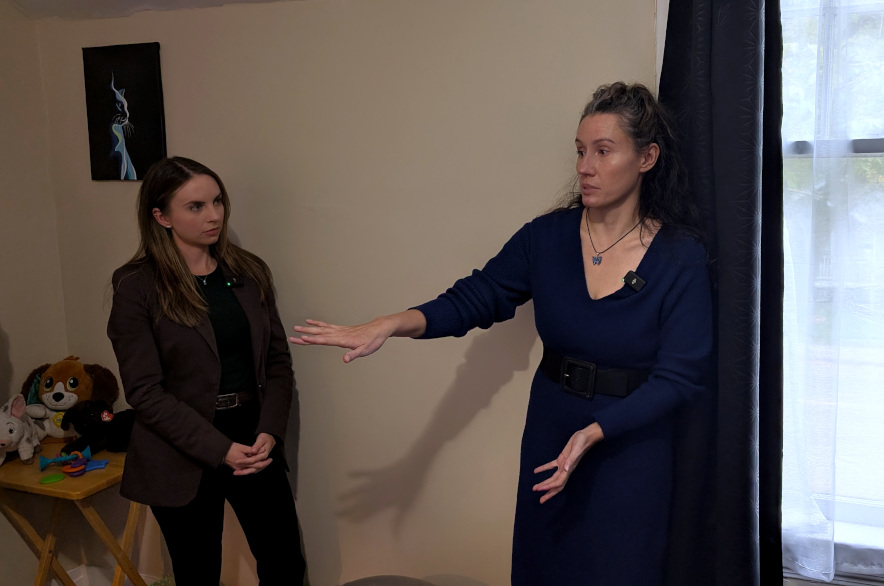
Vanessa Rodriguez explains the sensory tools in her son’s room with NDP MLA Brittney Senger looking on. Oc.t 2, 2026 (Lisa Schick/980 CJME)
It’s not just about money though, Vanessa also has concerns about the care that’s available for him.
Jasper isn’t always a danger, but Vanessa said he has hurt her when having a meltdown. She’s concerned about what she’ll be able to do for him if it comes to a point that he can’t safely stay in her home.
Vanessa said she’s not the only parent dealing with these problems in Saskatchewan. She said their voices need to be heard and they need to see change.
“We need support that reflects our actual lives and what they look like, funding that doesn’t stop at 12 years old, enough resources for children like Jasper to attend a full day of school, and safe, reliable care that allows parents to work,” she explained.
Saskatchewan’s NDP helped Vanessa get her story out. Brittney Senger, the NDP’s critic for disabilities, joined Vanessa in speaking to media on Friday.
She pointed out that, when announcing individualized funding for kids under 6 in 2016, then-Premier Brad Wall had said his government had an eventual goal to extend funding to young people up to 18 – but that hasn’t happened.
“It’s abandonment. It’s no longer a failed commitment; they are abandoning people that need support, children with complex needs, and families like Vanessa and Jasper,” said Senger.
She called on the provincial government to do better and take action.
“Vanessa’s situation is not unique; this is a story I hear often, and it’s not acceptable. Families deserve support, kids deserve support, and the government has stopped caring,” she explained.
When asked for a response to Vanessa and the NDP’s concerns, the Ministry of Social Services sent a statement with the history of the individualized funding program since 2018, including the age expansion in 2021.
The statement also noted that the ministry is in the process of reviewing the funding program in an effort to guide future plans and “support financial sustainability.”