


Sarah Mills: Saskatchewan's throne speech a blueprint for... what?
The Government of Saskatchewan has laid out its legislative plans for the year ahead, but Sarah Mills says families meas...
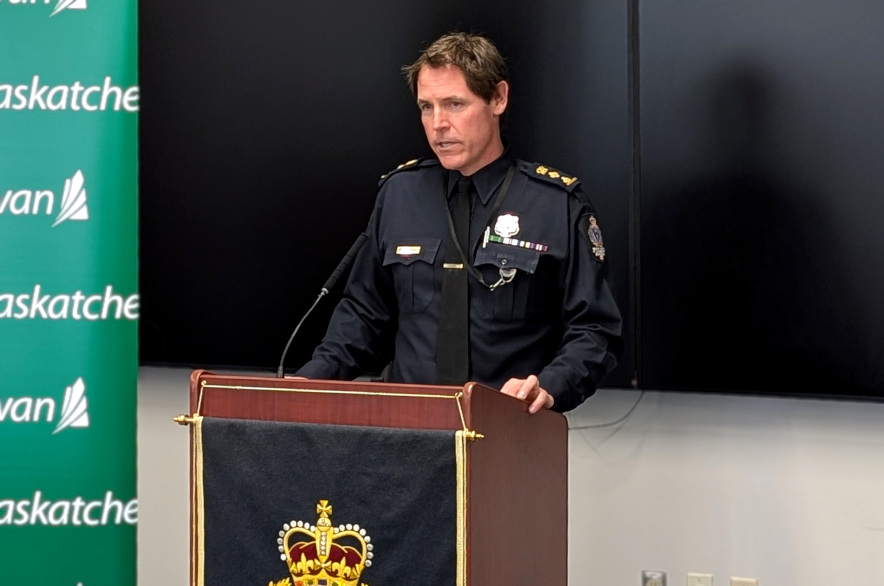
Police and firefighters in Regina are happy to see new legislation that could give their members some peace of mind.
This week, the provincial government introduced legislation that would amend an existing law and potentially speed up the process of getting a court order to test a person for diseases like hepatitis and HIV when a first responder comes into contact with their bodily fluids.
Currently, an application can be made for court-ordered testing. It is also possible to apply to have the matter heard without notice to the other person, known as an ex parte application. The proposed changes would make ex parte applications the default for these hearings.
“We’re hoping that the results will be available for the exposed individuals within a matter of hours, as opposed to a few days,” said Justice Minister Tim McLeod.
McLeod said a person could voluntarily give their consent, but this would provide a route when the person refuses the testing. He said government wants first responders to have access to results as quickly as possible.
Regina Police Deputy Chief Trent Stevely said he appreciates the change.
“We’re really excited about this, really happy for it, and I think it’s nothing but a positive thing for our frontline members and all first responders in the province,” said Stevely.
Police seek a court order about six times a year, but he said even once is too many.
“It’s reducing the anxiety, the emotional toll, physical anxiety on waiting on these results, and having the person, the source individual, actually be tested,” said Stevely.
There are situations where a person might intentionally expose a first responder, such as spitting in their face, but McLeod said there are also situations where a responder might be exposed when dealing with something like a fatal car crash and the source individual cannot provide consent.
Regina Fire Chief Layne Jackson also viewed the changes positively, calling it great progress.
He said more than half of Regina’s firefighters are also paramedics, so they’re responding to high-acuity trauma and medical calls as well as house fires.
“When one of them or a group of them is exposed to infectious disease, it can be very stressful for them and their families because they have to go home at the end of the shift,” explained Jackson.
He said a quicker process will also help get workers back on the job quicker if they have to isolate or take time while waiting for testing.
The Saskatoon Paramedic Association was a little more circumspect in its reaction to the legislation.
In a written statement, president Russell Grant said the association supports changes that recognize the hazards its members face, and legislation to bolster workplace safety and better safeguard the broader first responder community is essential.
“When a First Responder is exposed in the line of duty, experiencing a potentially life-altering event, timely resolution and access to vital health information is not just an administrative issue; it is a critical necessity for their physical health, their mental well-being, and the safety of their own families,” wrote Grant.
However, he also said the association is still reviewing the specifics of the amendments.