


Sarah Mills: Critics don't define whether or not a movie is good
Filmmaker Taika Waititi has thrown a hissy fit on social media because critics don't like his movie, and neither do movi...
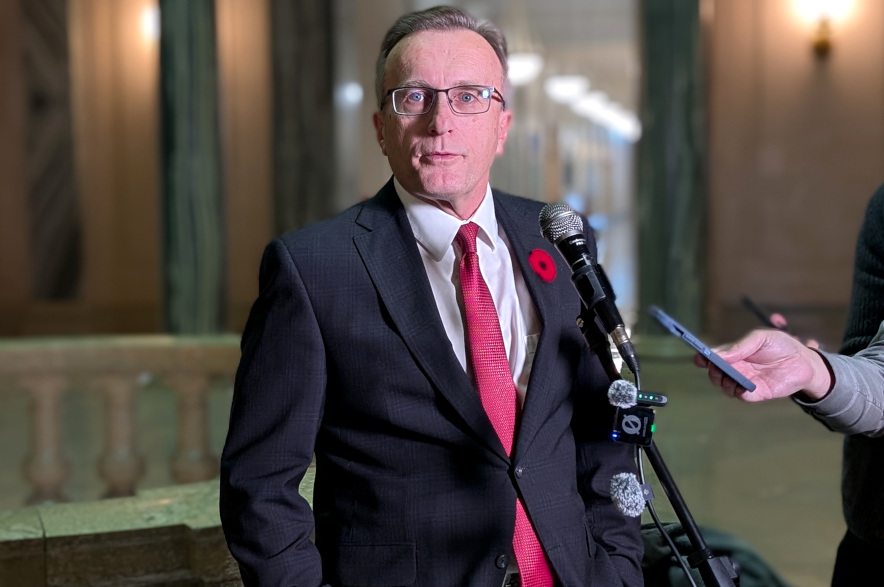
Members of Saskatchewan’s government will be watching what comes out of Ottawa Thursday afternoon, as the federal government unveils its Budget 2026.
Sask. Finance Minister Jim Reiter said there are already some things that were announced ahead of time that his government is pleased with, including the productivity mega-deduction, which will change how businesses can write off capital.
“While that’s, short-term, going to cost the provincial treasury some money, we fully support that — we think it’s going to be good for the business climate and, in the long run, be beneficial,” said Reiter.
Canada’s finance minister said earlier this week that the new budget is about changing Canada’s growth model.
Reiter said there is a wide range of measures he would like to see in the budget but it includes any announcements on infrastructure.
“There’s always a demand for that with municipalities around the province and for other infrastructure needs,” he explained.
And Reiter will also be looking to see if there’s anything in the budget that would go toward turning Canada into a global energy superpower – something the prime minister has mentioned before.
“That would be good news for Saskatchewan; we have, obviously, all the resources,” said Reiter.
What the finance minister wouldn’t want to see is any tax increases.
“We think that would hurt the economy at a time that, because of the tariff war going on, the economy is struggling to begin with,” said Reiter.
He said he’ll be watching with interest when the budget comes out.
Speaking on Wednesday, Reiter said he’s optimistic about the talk around trade negotiations resuming between Canada and the U.S. He said the tariff situation is benefiting no one and it’s driving up prices on both sides of the border.
“I’m cautiously optimistic that, hopefully in the near future, we might see something to end the ridiculous trade war, and it’s going to do nothing but help citizens on both sides of the border,” he said.
Reiter said he’s not privy to any details, but he’s comfortable that the Canadian government is willing to talk, and following the results of the U.S. midterm elections, he’s optimistic the U.S. will want to talk now as well.




